
Books like The Island of Doctor Moreau
The Island of Doctor Moreau and Mary Shelley’s Frankenstein turn scientific miracles into merciless questions about creators who refuse responsibility for what they make.
If you liked The Island of Doctor Moreau, you’ll love these
Not lookalikes — kindred books. Each one shares something essential with The Island of Doctor Moreau, and we tell you exactly what.

Like Wells, Shelley is less interested in whether forbidden science can succeed than in what success obliges the scientist to do. Her nested testimonies continually shift sympathy between maker and made, denying the reader the comfort of a simple monster. The result is at once a Gothic pursuit story and an argument about abandonment, bodily revulsion, loneliness, and the peril of treating life as an experiment.
Few novels have been more influential, yet the original remains stranger, sadder, and more intellectually exacting than its adaptations. Anyone haunted by Moreau’s cold irresponsibility should encounter Victor Frankenstein—the indispensable ancestor of Wells’s indictment.
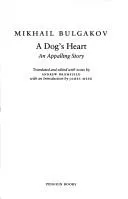
Bulgakov gives the transformation of animal into human a savage comic twist. A celebrated Moscow surgeon takes in a starving street dog and undertakes a radical experiment; what follows tests every smug assumption about civilization, education, class, and the authority of the man in the white coat.
Where Moreau is feverish and nightmarish, this compact novella is brisk, profane, and wickedly funny. Its long suppression in the Soviet Union only sharpened its reputation as a masterpiece of political satire—but its deepest kinship with Wells lies in its suspicion that the supposedly civilized experimenter may be the most grotesque creature in the room.
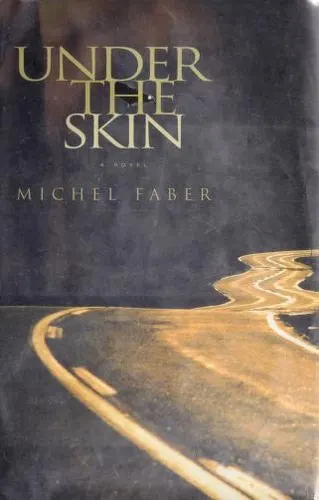
Isserley drives the roads of the Scottish Highlands, studying male hitchhikers with an unnervingly clinical eye. Faber makes ordinary human bodies seem alien—muscle, skin, scars, smell—and quietly turns observation into predation. The unease comes not from spectacle but from realizing how easily a person can be reduced to useful flesh.
This is the recommendation for readers most disturbed by Wells’s collapse of the boundary between human and animal. Faber reverses the gaze, complicates every category, and makes exploitation feel both intimate and industrial. A cult favorite with a fiercely unsettling moral imagination, Under the Skin leaves the familiar world permanently estranged.