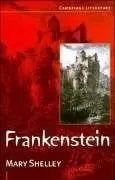
Books like Frankenstein
Frankenstein keeps its hold because its horror is inseparable from pity: the true catastrophe is not creation itself, but the refusal to love, answer for, or even listen to what has been created. These novels share that moral intensity while taking it in strikingly different directions.
If you liked Frankenstein, you’ll love these
Not lookalikes — kindred books. Each one shares something essential with Frankenstein, and we tell you exactly what.

Ishiguro turns Frankenstein’s most painful question—what do we owe the lives we use?—into a devastatingly quiet novel. Kathy, a “carer,” remembers her childhood at an unusual English boarding school and the friendships that formed there. Gradually, ordinary memories of lessons, quarrels, and treasured objects reveal a social order built upon cultivated denial.
Where Shelley gives the Creature magnificent accusations, Ishiguro makes moral abandonment audible through understatement. Kathy’s composure becomes more disturbing than any scream: everyone knows enough to be responsible, yet almost no one fully speaks. This Booker-shortlisted novel has become a modern classic because its gentleness never softens its indictment. If Victor’s greatest crime seemed to you not ambition but abandonment, Never Let Me Go is essential.
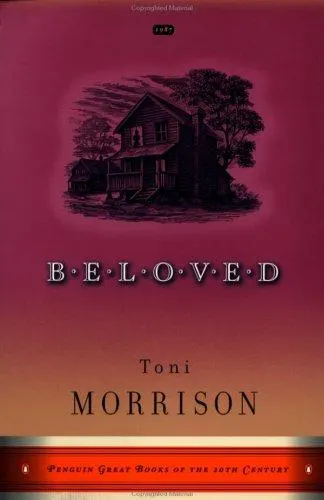
A house marked 124 is haunted by rage, while Sethe, formerly enslaved, tries to build a life with her daughter among memories that refuse to remain past. Morrison’s Gothic is not decorative darkness: the supernatural gives physical presence to grief, history, and love pushed beyond endurance.
Like Shelley, Morrison denies the reader the comfort of simple monsters. Both novels ask how violence fractures personhood, how the rejected return to demand recognition, and whether love can become possessive enough to destroy what it wants to save. But Beloved’s polyphonic, incantatory language creates an experience entirely its own. Winner of the Pulitzer Prize and widely regarded as one of the supreme American novels, it is the rare book whose canonical stature understates its raw, intimate power.
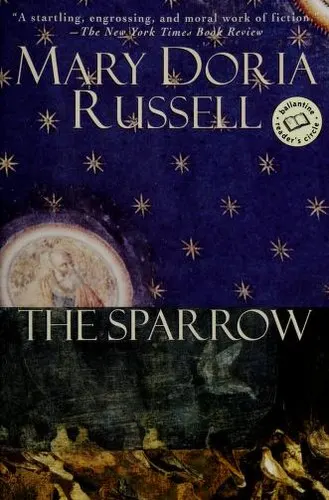
A Jesuit expedition sets out after humanity detects music from another world. The novel opens after disaster, with one shattered survivor returning to face interrogation, suspicion, and his own ruined faith; it then moves between that aftermath and the expedition’s hopeful beginnings.
This structure will feel thrillingly familiar to a Frankenstein reader: testimony sits inside testimony, and each new voice alters the moral meaning of what came before. Russell is fascinated by the danger of noble intentions—the way curiosity, certainty, and the desire to make contact can become catastrophic without anyone choosing evil. Winner of the Arthur C. Clarke Award, The Sparrow has earned unusually devoted readers because it pursues questions most novels evade: whether good motives matter after terrible consequences, and what responsibility means when understanding arrives too late.