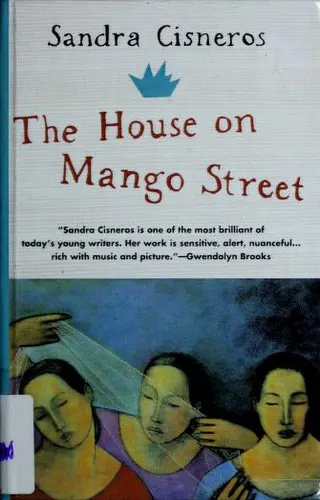
Books like The House on Mango Street
Where Annie John captures the fierce inward weather of girlhood, The Poet X turns that weather into a voice meant to be heard. Alongside them, The Bluest Eye offers a darker, devastating exploration of how a neighborhood teaches girls to see themselves.
If you liked The House on Mango Street, you’ll love these
Not lookalikes — kindred books. Each one shares something essential with The House on Mango Street, and we tell you exactly what.
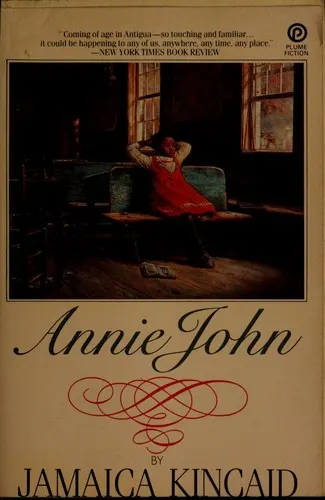
Like Esperanza, Annie notices the adult world with a child’s sharpness and a future writer’s command of image, rhythm, and omission. Kincaid builds her coming-of-age story from concentrated episodes—schoolroom rivalries, private rituals, small rebellions—whose emotional force accumulates far beyond their size.
The setting is Antigua, but the deepest kinship lies in Annie’s struggle to become separate: from her mother, from prescribed femininity, and from the identity others have prepared for her. Kincaid’s sentences can be sensuous, funny, and suddenly ruthless. Now regarded as a modern coming-of-age classic, Annie John offers the same pleasure as Cisneros’s novel: watching a girl turn exact observation into a means of self-creation.
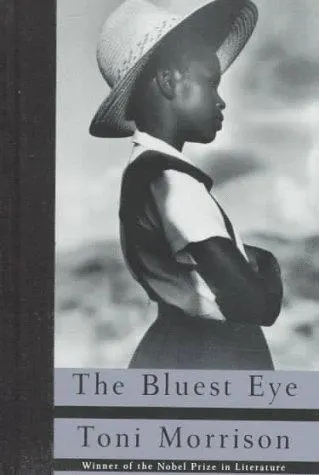
Morrison’s first novel examines with terrifying clarity what happens when a culture’s ideas of beauty enter a girl’s imagination. Its fragmented voices, shifts in perspective, and lyrical passages create a communal portrait rather than a single straightforward narrative: homes, storefronts, schoolyards, and overheard judgments all participate in shaping a child’s sense of worth.
Readers who were moved by the vulnerable girls and trapped women of Mango Street will recognize Morrison’s refusal to sentimentalize them—or blame them for the forces bearing down on their lives. The novel is much harsher than Cisneros’s, but it shares her gift for making beauty and pain occupy the same sentence. Frequently challenged and relentlessly read, The Bluest Eye remains one of American literature’s indispensable accounts of girlhood because Morrison makes looking away feel morally impossible.
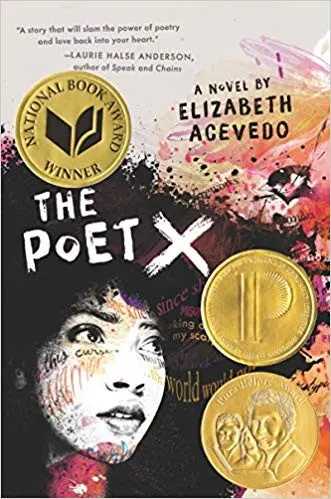
Esperanza dreams of claiming a house and a language of her own; Xiomara Batista discovers that poems can give her a room inside herself. In a Harlem household governed by religious expectation, Xiomara fills a notebook with the anger, desire, humor, and questions she cannot safely speak aloud. Acevedo’s verse novel is propelled by the tension between silence and performance: private words gradually become a way of occupying public space.
The short, spacious poems make every image and line break count, echoing the compression that gives Cisneros’s vignettes their charge. Yet Xiomara’s voice is unmistakably hers—physical, confrontational, tender, and exhilarating. Winner of the National Book Award for Young People’s Literature and the Carnegie Medal, The Poet X has inspired unusually passionate readers because it does not merely describe a young woman finding her voice; it lets you hear the instant that voice realizes its own power.