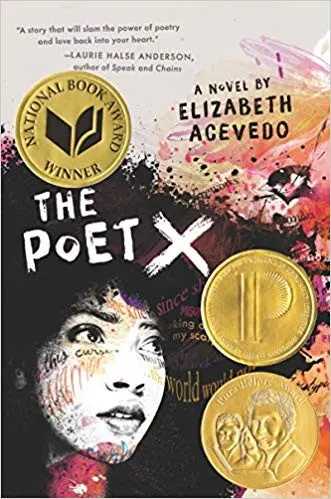
Books like The Poet X
Reading The Poet X feels like hearing a young woman turn everything meant to silence her—shame, anger, desire, devotion—into rhythm, then discovering that her voice can make room for her to live.
If you liked The Poet X, you’ll love these
Not lookalikes — kindred books. Each one shares something essential with The Poet X, and we tell you exactly what.
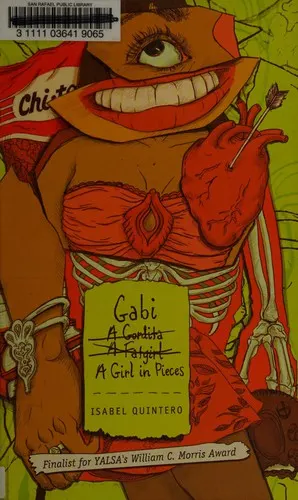
Gabi writes through a tumultuous senior year: family crises, friendship, sex, food, Catholic guilt, and the constant policing of a Mexican American girl’s body. Her diary voice is funny, candid, messy, and gloriously uninterested in becoming “respectable” for the reader.
Like Xiomara, Gabi finds poetry can say what ordinary conversation will not. But Quintero gives her a distinctly irreverent energy: she is observant enough to expose hypocrisy and vulnerable enough to implicate herself. Winner of the William C. Morris Award, this is a beloved coming-of-age novel about refusing to divide appetite from intellect or womanhood from freedom. Xiomara readers should not miss Gabi’s company.
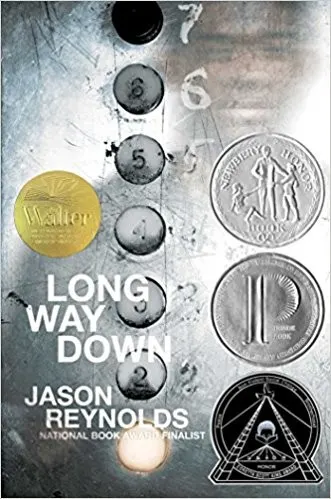
Will steps into an elevator carrying a gun and a set of inherited rules about grief and retaliation. The ride lasts barely a minute; Reynolds stretches it into a taut verse novel in which every floor forces Will to confront what those rules conceal.
The kinship with The Poet X lies in the pressure behind the language. Reynolds uses white space, repetition, and abrupt line breaks not as decoration but as thought happening under unbearable strain. A Newbery, Printz, and Coretta Scott King honor book, Long Way Down has become a modern YA touchstone because it invites readers into a moral crisis without supplying easy judgment. It is swift enough to read in one sitting and powerful enough to trouble the mind for years.
Sixteen-year-old Amal is an artist and poet, but after a biased system reduces him to a stereotype, he must fight to preserve the self that other people refuse to see. His poems move between fury, memory, vulnerability, and the stubborn work of imagining a future.
Readers who loved watching Xiomara claim authorship over her own identity will recognize the stakes here: who gets to tell a young person’s story, and what happens when language becomes a form of resistance? Zoboi wrote the novel with Yusef Salaam of the Exonerated Five, giving its indictment of injustice lived authority without sacrificing lyricism or hope. The result is not merely an issue-driven book; it is an urgent demonstration that making art can be a way of remaining human when the world insists on misreading you.