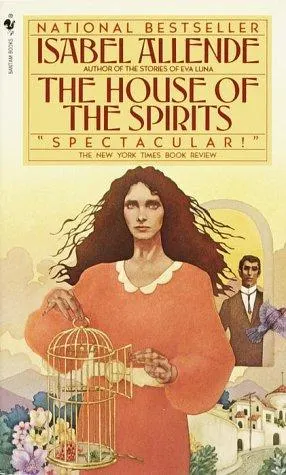
Books like The House of the Spirits
Its ghosts linger because Allende makes private memory feel as consequential as national history: love, cruelty, politics, and the supernatural all become part of one family’s inheritance. These three novels possess that same capacious emotional power without merely repeating her formula.
If you liked The House of the Spirits, you’ll love these
Not lookalikes — kindred books. Each one shares something essential with The House of the Spirits, and we tell you exactly what.
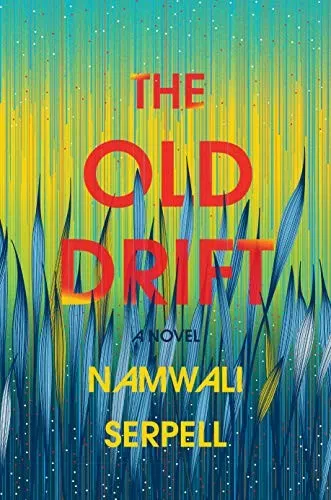
Three Zambian families collide across generations while colonial ambitions, technological dreams, accidents, and old grudges shape their descendants. Like Allende, Serpell treats a nation’s history not as background but as something that enters homes, bodies, and family stories.
Yet this is gloriously its own creature: intellectually daring, mischievous, and formally restless, with a chorus of mosquitoes and a fearless movement between historical saga, magical realism, and speculative fiction. Winner of the Arthur C. Clarke Award, The Old Drift has the rare scale and audacity to make finishing it feel like emerging from an entire invented world.
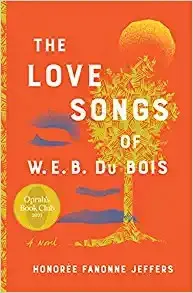
Ailey Pearl Garfield grows up among complicated women, buried family truths, and stories extending back through generations of Black and Indigenous ancestry. Readers who loved Clara’s quiet strength and Allende’s conviction that women preserve what official history erases will recognize the novel’s deepest purpose immediately.
Jeffers writes with tenderness but never sentimentality about inheritance, desire, violence, and the stories families cannot quite tell. The novel’s vast historical reach remains anchored in Ailey’s intimate search for herself. Its National Book Critics Circle Award reflects what its devoted readers already know: this is an immense book that earns every page and leaves a family’s voices sounding in your mind.
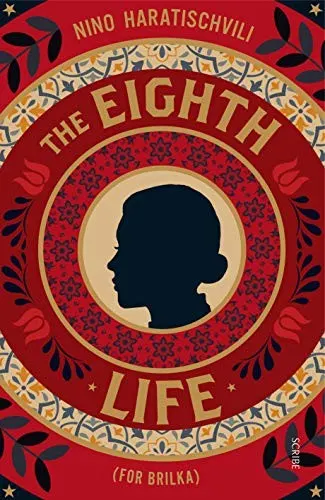
Niza Jashi begins telling her niece the history of their Georgian family, starting with a gifted chocolatier and a recipe shadowed by the suggestion of a curse. From there, personal longing and betrayal become inseparable from the upheavals of the twentieth century.
Haratischvili’s magic is darker and more ambiguous than Allende’s, but she shares Allende’s fascination with the way political brutality reverberates through kitchens, marriages, rivalries, and silences. Longlisted for the International Booker Prize in Charlotte Collins and Ruth Martin’s translation, this monumental novel inspires unusual devotion: nearly a thousand pages come to feel not excessive but necessary, because by the end the Jashis seem less like characters than people whose memories you have inherited.