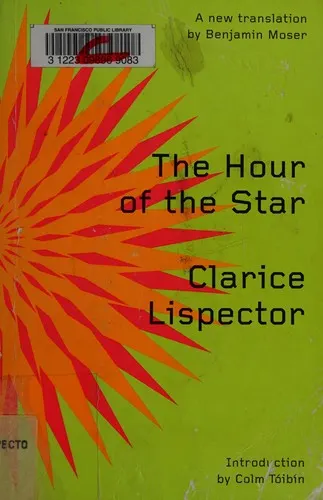
Books like The Hour of the Star
What right do we have to make art from another person’s suffering—and does looking closely redeem the act, or deepen the trespass? These novels share Lispector’s refusal to let either writer or reader escape that question comfortably.
If you liked The Hour of the Star, you’ll love these
Not lookalikes — kindred books. Each one shares something essential with The Hour of the Star, and we tell you exactly what.
Like Lispector, Machado turns narration into a morally suspect performance. Brás Cubas, writing from beyond the grave, addresses us with irresistible wit while exposing his vanity, privilege, and casual cruelty. The short chapters, interruptions, typographical games, and direct provocations make reading feel like an argument with a brilliant, untrustworthy consciousness.
Published in 1881, this Brazilian masterpiece feels astonishingly modern; its influence runs through the metafiction Lispector later transformed. If Rodrigo S.M.’s mixture of self-display, shame, and authorial power fascinated you, Brás Cubas is an essential encounter with one of his great literary ancestors.
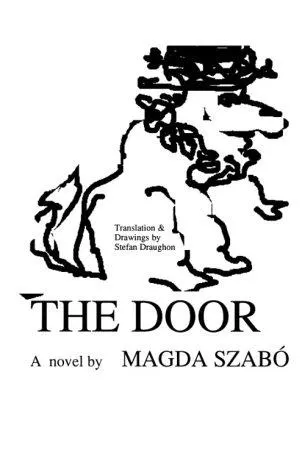
A celebrated writer hires Emerence, an intimidatingly private working-class woman, to keep house. From its opening pages, the writer presents their relationship as a confession: affection, dependence, class blindness, and betrayal have become impossible to separate.
Where The Hour of the Star asks whether Rodrigo can truly see Macabéa, The Door asks what it means to claim you love someone while continually translating her into your own values. Szabó gives Emerence such force that she seems capable of breaking the narrator’s carefully composed account from within. Long revered in Hungary and later embraced internationally—its English revival made it a New York Times notable sensation—this is one of the great novels about the guilt hidden inside admiration.
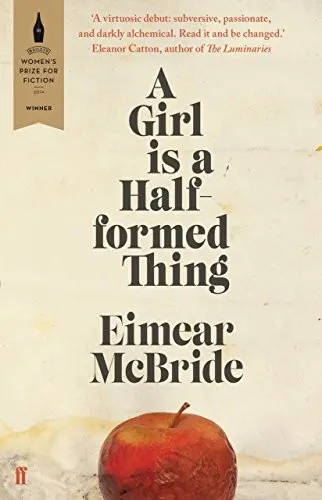
McBride does not describe her unnamed young protagonist from a safe distance. She builds the novel from the jagged material of thought itself: clipped phrases, collisions of sensation, missing connective tissue. At first the prose feels fractured; soon it becomes uncannily intimate, as though ordinary grammar would falsify this life.
That linguistic risk is what links it most powerfully to Lispector. Both novels insist that a disregarded woman cannot be made fully visible through conventional realism, and both find flashes of savage comedy amid anguish. McBride’s debut won the inaugural Goldsmiths Prize and the Baileys Women’s Prize because its formal daring is inseparable from its emotional force. It is difficult, devastating, and once its voice enters your head, almost impossible to forget.