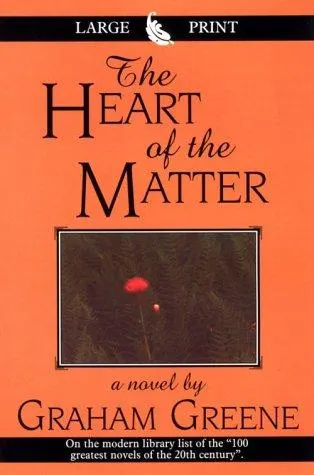
Books like The Heart of the Matter
Knees drawn to his chin on the Bedford Hotel balcony, Wilson watches Major Scobie cross the street, not yet knowing how much misery can hide inside an ordinary-looking man.
If you liked The Heart of the Matter, you’ll love these
Not lookalikes — kindred books. Each one shares something essential with The Heart of the Matter, and we tell you exactly what.
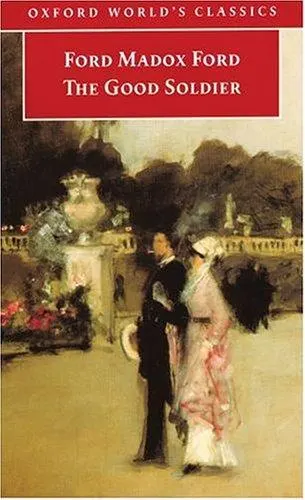
Like Greene, Ford turns respectable conduct into a maze of concealed injuries. Its narrator begins with two apparently civilized couples and gradually discovers—or admits—what desire, loyalty, and self-deception have made of them.
The kinship lies in its devastating suspicion that decency may harm people as thoroughly as vice. Ford’s famously intricate narration makes every new disclosure alter the moral weight of what came before. Few novels expose the violence inside good manners so elegantly; missing it means missing one of the great studies of people ruined by the virtues they claim to serve.
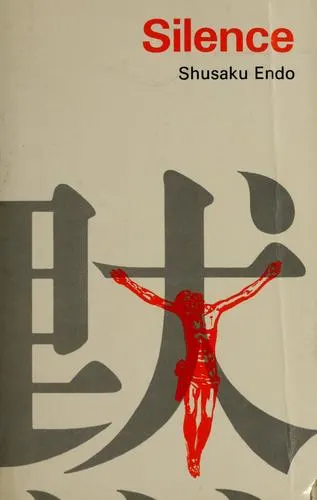
Endo places a Christian missionary in a crisis where every available choice seems to betray someone. What makes this essential for Greene’s reader is not simply its Catholic subject but its relentless question: can an act that looks like spiritual failure become an act of mercy?
Winner of the Tanizaki Prize and now regarded as Endo’s masterpiece, Silence has the same unbearable pressure as Scobie’s dilemma—the collision between doctrine, pride, pity, and another person’s suffering. Its prose is spare, its moral trap merciless, and its final implications linger because Endo refuses the comfort of a clean verdict.
Judith Hearne is a shabby-genteel Belfast spinster whose fragile hopes gather around a boarding house and one seemingly promising acquaintance. Moore sees every humiliating detail, yet never turns her into a joke. His exactness becomes a form of compassion.
Readers who loved Greene’s tenderness toward compromised, spiritually frightened people will recognize the same unsentimental mercy here: loneliness distorts judgment, faith offers no easy refuge, and need can become its own kind of moral danger. Greene himself admired Moore enormously, calling him his favourite living novelist. This fierce, beautifully controlled debut shows why—and Judith is impossible to forget.