
Books like The Hakawati
Stories within stories. These novels share Alameddine’s faith that storytelling can preserve families, contest official history, and turn digression into the main event.
If you liked The Hakawati, you’ll love these
Not lookalikes — kindred books. Each one shares something essential with The Hakawati, and we tell you exactly what.
Beside an unconscious Palestinian fighter, Khalil tells stories: of exile and return, marriages and betrayals, ordinary appetites and historical catastrophe. Like The Hakawati, the novel makes narration an act of love—an attempt to keep both a person and a people from disappearing.
Widely regarded as Khoury’s masterpiece, Gate of the Sun is polyphonic, intimate, and magnificently humane. Its stories correct and contradict one another because memory is alive, not archival. Readers who loved Alameddine’s movement between a deathbed and an immense inherited past will find here a darker but equally transporting demonstration of why tales must keep being told.
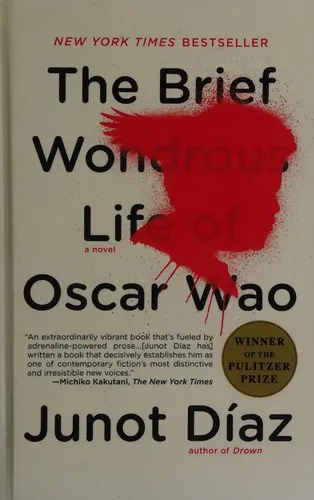
Díaz braids a Dominican family’s history with dictatorship, comic books, fantasy epics, footnotes, slang, and the legend of a hereditary curse. The kinship with The Hakawati lies in that audacious mixture: private sorrow and national violence are filtered through a narrator who refuses to separate high literature from the stories people obsessively tell themselves.
Winner of the Pulitzer Prize, the novel became beloved because its verbal electricity never cancels its tenderness. Oscar’s extravagant imagination is funny until it becomes piercing; the digressive footnotes become a rival history of the Americas. Few novels make inherited trauma feel so intellectually alive—or make erudition this entertaining.
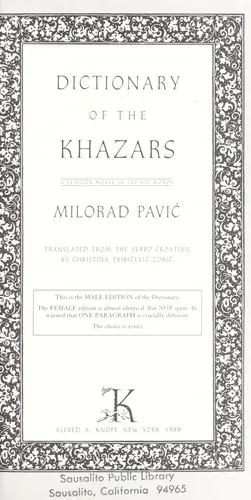
If Alameddine taught you to welcome every detour, Pavić offers a whole novel made of them. Presented as a lexicon concerning a vanished people, it lets you move among saints, demons, dream hunters, disputed documents, and mutually incompatible versions of the same ancient conversion.
This Serbian cult classic rewards curiosity rather than obedience: a minor name in one entry opens another story, which alters a third, until the book feels less written than discovered. Its celebrated male and female editions differ by only a tiny passage—an emblem of its fascination with how minute changes reshape entire histories. Missing it would mean missing one of the boldest modern reinventions of the storyteller’s labyrinth.