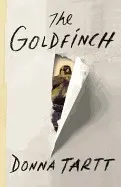
Books like The Goldfinch
A young person follows beauty through a half-open door and discovers, too late, that grief, love, and danger have entered with it. These novels offer that same intoxicating mixture of intimate damage and enormous narrative sweep.
If you liked The Goldfinch, you’ll love these
Not lookalikes — kindred books. Each one shares something essential with The Goldfinch, and we tell you exactly what.
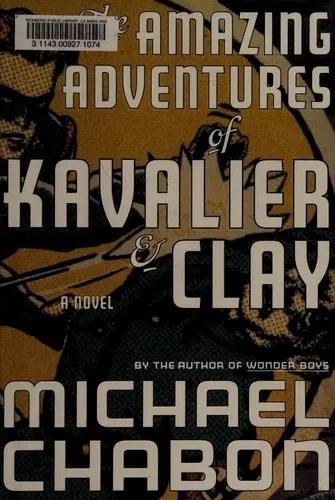
Like The Goldfinch, this Pulitzer Prize winner turns art into refuge, contraband, vocation, and a way of surviving history. It begins with Josef Kavalier, newly escaped from Nazi-occupied Prague, arriving at his cousin Sammy’s New York bedroom; together they create a comic-book hero while trying to remake themselves.
Chabon matches Tartt’s generosity: eccentric characters, thrilling reversals, period detail, jokes, romance, and sorrow all crowd into a story that nevertheless feels intensely personal. Most of all, he understands that beautiful things cannot undo loss—but making and loving them may be the closest we come. Its exuberance carries you forward; its melancholy stays behind.
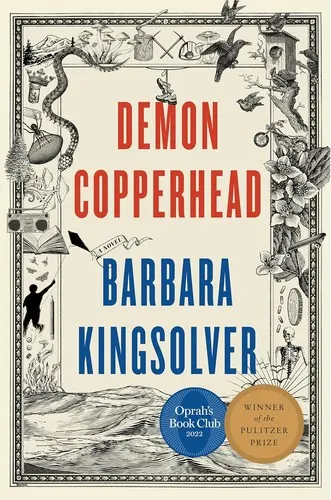
Theo Decker’s great gift is his ability to make catastrophe feel immediate, funny, shameful, and strangely seductive. Demon has that gift too. Born into Appalachian poverty, he narrates his childhood with such furious wit and alertness that the voice becomes its own means of escape.
Kingsolver’s novel is Dickensian in the meaningful sense: it treats a damaged child’s adventures as both irresistible storytelling and an indictment of the adults and institutions surrounding him. Yet Demon is never merely a victim; he is vain, resourceful, loyal, reckless, and impossible to abandon. Winner of both the Pulitzer Prize and the Women’s Prize, this is one of the rare huge contemporary novels whose public acclaim matches the private devotion it inspires.
If what haunts you about The Goldfinch is the way Theo falls under the spell of a family, a house, and a vision of beauty he can never securely possess, read Brideshead Revisited. Charles Ryder’s friendship with the dazzling Sebastian Flyte draws him into Brideshead’s enchanted world, where aesthetic rapture and emotional peril are inseparable.
Waugh’s prose is more compressed than Tartt’s, but it creates the same ache of looking backward at a vanished life. Sebastian has something of Boris’s charisma: lovable, exasperating, and always partly beyond rescue. Beneath the elegance lies a fierce novel about attachment, self-deception, and whether beauty saves us or simply gives loss a more exquisite shape. Its enduring hold on readers comes from that spell—and from how painfully it breaks.