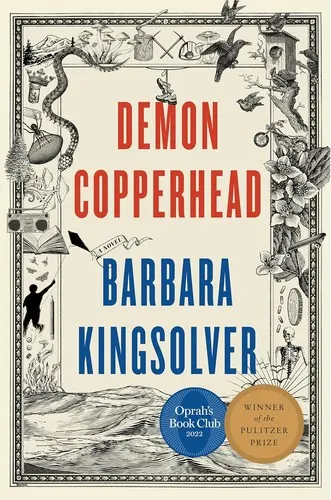
Books like Demon Copperhead
Reading Demon Copperhead feels like being cornered by a born storyteller who can make you laugh, break your heart, and expose an entire social order without ever loosening his grip on your sleeve. These novels have that same combination of unforgettable voice, moral fury, and stubborn human vitality.
If you liked Demon Copperhead, you’ll love these
Not lookalikes — kindred books. Each one shares something essential with Demon Copperhead, and we tell you exactly what.

Like Demon, Shuggie is a boy whose fierce love for an addicted parent becomes both his great strength and his deepest wound. Douglas Stuart writes working-class Glasgow from the inside: its humiliations, jokes, loyalties, cruelties, and codes of survival. Poverty is never scenery here; it shapes what people can imagine, forgive, or escape.
The Booker Prize–winning novel is more concentrated and somber than Kingsolver’s, but it shares her refusal to reduce damaged people to cautionary tales. Shuggie’s mother, Agnes, is glamorous, impossible, and painfully alive, while Shuggie’s tenderness never becomes sentimentality. Readers devoted to Demon’s battered resilience will recognize the emotional danger immediately—and may find Shuggie even harder to forget.

Jesmyn Ward gives us Esch, a pregnant fifteen-year-old living with her brothers and father on the Mississippi Gulf Coast as a hurricane approaches. What makes this a true companion to Demon Copperhead is not disaster or deprivation, but the authority of its young narrator: Esch sees beauty, violence, desire, and family with an intelligence the wider world would never think to credit her with.
Ward’s prose is sensuous and ferocious; dogs, heat, hunger, and myth all feel physically present. Yet the novel’s greatest force comes from the siblings’ rough, improvised devotion to one another. Winner of the National Book Award, Salvage the Bones is brief enough to read quickly and powerful enough to alter the emotional weather for days afterward.
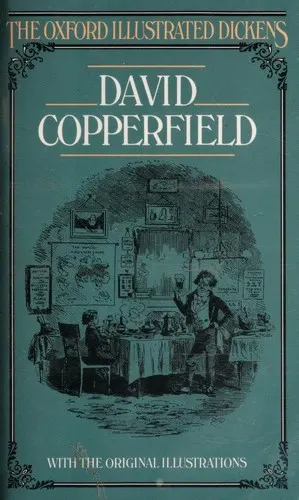
Kingsolver borrowed more than a name and narrative scaffolding from Dickens: she borrowed his faith that a charismatic first-person voice can turn one neglected childhood into an indictment of a nation. David begins telling his life with comic confidence, though adults and institutions repeatedly prove predatory, vain, or useless. Around him gathers one of fiction’s great crowds of eccentrics, monsters, fools, and unexpected protectors.
The pleasure is not dutifully tracing Demon Copperhead back to its source. It is discovering how modern Dickens still feels when he is funny, furious, and emotionally direct—and seeing just how boldly Kingsolver transformed his design. David Copperfield has inspired generations of unusually personal devotion; after Demon, it becomes not homework but a conversation you will want to overhear.