
Books like The Fall
Dostoevsky’s Underground Man assaults the reader; Julian Barnes’s Tony Webster quietly recruits the reader into his defense. Thomas Bernhard, meanwhile, turns self-indictment into a magnificent comic rant. All three preserve The Fall’s most unsettling pleasure: watching confession become another form of judgment.
If you liked The Fall, you’ll love these
Not lookalikes — kindred books. Each one shares something essential with The Fall, and we tell you exactly what.
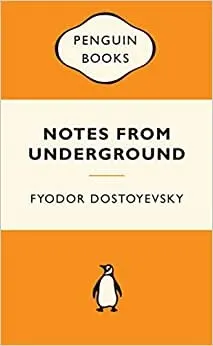
This is the essential ancestor of Clamence’s performance. From his opening declaration that he is a sick, spiteful man, Dostoevsky’s narrator argues, retracts, sneers, pleads, and anticipates every objection. His intelligence does not free him; it furnishes ever more ingenious excuses for paralysis and cruelty.
Like The Fall, the novel makes reading feel dangerously participatory. The Underground Man keeps addressing an imagined audience until his humiliation begins to expose the vanity and bad faith of anyone tempted to judge him. Fiercely funny as well as philosophically explosive, this foundational work of modern fiction turns consciousness itself into a trap. Anyone captivated by Clamence should meet the voice that helped make him possible.
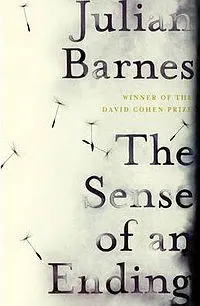
Tony Webster begins with the reassuring composure of a man who believes he has understood his own life. He remembers school friendships, first love, and the sensible compromises of adulthood in clean, measured prose. Yet Barnes makes that very neatness suspicious: memory selects, edits, and arranges, and a civilized self-portrait may be an alibi written without its author noticing.
Where Clamence dazzles through theatrical candor, Tony wins trust through modesty. The reader’s task is to hear what his account muffles—to distinguish honest uncertainty from convenient blindness. Winner of the Booker Prize, this extraordinarily compressed novel can be read in an evening, but its moral afterimage lasts much longer. It offers the rare shock of discovering that an apparently mild narrative has been cross-examining its teller all along.
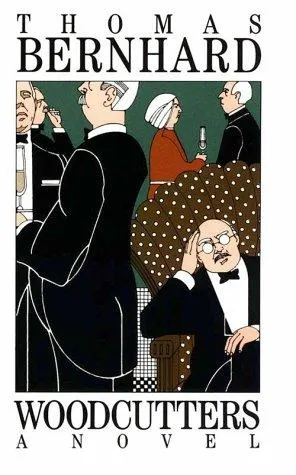
A writer sits in an armchair at a Viennese dinner party and mentally eviscerates everyone present: their artistic pretensions, social climbing, stale loyalties, and cultivated fraudulence. Bernhard’s long, recursive sentences circle the gathering like a predator, repeating accusations until irritation becomes rhythm and rhythm becomes savage comedy.
The kinship with The Fall lies in the poison turning back on its dispenser. The narrator belongs to the world he despises; every attack reveals old intimacy, wounded vanity, and his own appetite for superiority. Bernhard—one of the great postwar European stylists—makes hypocrisy exhilarating to listen to without ever letting the listener feel innocent. Woodcutters is a furious, hypnotic social autopsy, and readers who loved Clamence’s mixture of brilliance, malice, and self-entanglement should not miss it.