
Books like The End of the Affair
On a wet January night beside Clapham Common, Bendrix sees Henry Miles in the rain, and one chance encounter tears open everything he has tried to preserve as hatred. These novels share Greene’s deeper power: confession warped by jealousy, love entangled with guilt, and the unsettling possibility that grace may work through our worst impulses.
If you liked The End of the Affair, you’ll love these
Not lookalikes — kindred books. Each one shares something essential with The End of the Affair, and we tell you exactly what.
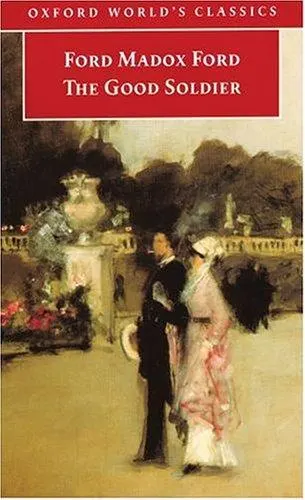
Like Bendrix, John Dowell tells his story because he cannot stop revising the past. He begins with two apparently civilized couples and gradually circles their betrayals, repeatedly changing the meaning of what the reader thought was settled. His manner is mild; the emotions underneath are catastrophic.
Ford’s modernist masterpiece offers the same dangerous intimacy as Greene’s novel: a narrator who is observant about everyone except himself, chronology shaped by obsession, and adultery treated not as scandal but as a crisis of knowledge. Few novels make retrospection feel so suspenseful. If you loved discovering how Bendrix’s jealousy edits reality, Dowell’s quietly devastating testimony is indispensable.
An embittered old lawyer writes a letter to his wife, intending it as a final indictment of their marriage and family. Around his fortune gathers a household he regards with contempt; inside him, decades of humiliation have tightened into something almost sustaining.
Mauriac, a Nobel laureate and one of the great Catholic novelists, is even less comforting than Greene about faith. He understands hatred as both armor and appetite, and he lets the possibility of grace enter without sentimentality or easy conversion. The novel is short, venomous, psychologically exact, and finally astonishing in its moral reach. Anyone moved by the way The End of the Affair makes spite and longing into possible instruments of redemption should not miss it.

In wartime London, Stella Rodney is told that Robert, the man she loves, may be betraying his country. The accusation comes from Harrison, an intelligence agent whose interest in Stella makes truth inseparable from pressure, desire, and surveillance.
Bowen’s wartime masterpiece turns uncertainty into atmosphere: rooms feel charged, pauses become evidence, and every intimate gesture invites interpretation. What connects it most profoundly to Greene is its question of whether love can survive the demand to know another person completely. Bowen’s crystalline, strange prose captures the loneliness of lovers who cannot distinguish trust from chosen blindness. Reading it feels less like following a mystery than entering the moral weather of suspicion itself.