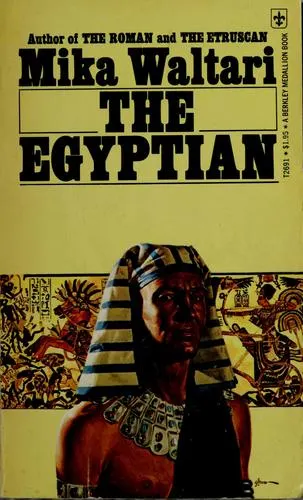
Books like The Egyptian
An English butler’s memories may seem far from Sinuhe’s ancient wanderings, yet the deepest bond here is the voice of a man reviewing his life too late—measuring private compromises against the ruins left by history. Each of these novels shares Waltari’s rare combination of intimate confession, intellectual sweep, and unsparing wisdom about power.
If you liked The Egyptian, you’ll love these
Not lookalikes — kindred books. Each one shares something essential with The Egyptian, and we tell you exactly what.
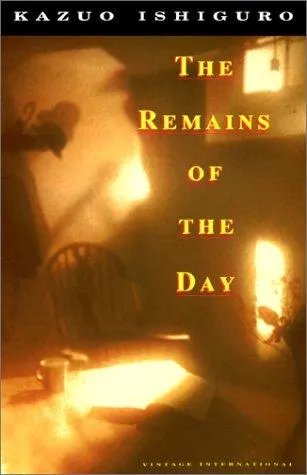
Like Sinuhe, Stevens tells his own story with a composure that gradually reveals more than he intends. A proposed journey through postwar England prompts this consummate butler to reconsider his service in a great house, while the reader detects the longing, doubt, and moral evasion beneath his immaculate language.
This Booker Prize winner lacks Waltari’s geographical scale, but matches his emotional architecture: a solitary narrator, history glimpsed from privileged rooms, and the devastating distance between intelligence and self-knowledge. Ishiguro’s restraint makes every crack in Stevens’s dignity matter. Readers haunted by Sinuhe’s late understanding may find this quieter reckoning just as difficult to forget.
Cyrus Spitama—grandson of Zoroaster, Persian diplomat, and wonderfully opinionated old man—looks back on a life that carried him across the intellectual world of the fifth century BCE. Through courts, journeys, arguments, and encounters with radically different beliefs, Vidal turns history into a contest of ideas rather than a museum pageant.
This is the closest match for the exhilarating breadth of The Egyptian. It has Waltari’s worldly narrator, mordant humor, diplomatic intrigue, cultural collisions, and suspicion that every civilization disguises appetite as virtue. Vidal also refuses to treat classical Greece as the center of everything; Persia, India, and China become part of one immense conversation about creation, death, government, and the gods. Often counted among Vidal’s finest historical novels, it offers the rare pleasure of leaving an adventure with one’s map of human thought enlarged.
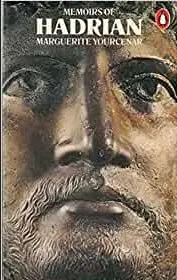
The aging Emperor Hadrian writes to the young Marcus Aurelius, attempting to understand the man he has been and the empire he has governed. Yourcenar gives him not modern opinions in antique costume, but a densely imagined consciousness: cultivated, sensual, disciplined, curious, and increasingly aware of mortality.
Where Waltari ranges through the ancient world with bitter, picaresque energy, Yourcenar concentrates that world into a single searching intelligence. Politics, warfare, art, love, medicine, and religion all become parts of Hadrian’s examination of what power can—and cannot—preserve. Now firmly established as a modern classic, the novel achieves what historical fiction rarely does: it makes a vanished mind feel present without making it familiar. Anyone who loved Sinuhe as both witness and judge of his age should not miss Hadrian’s magnificent final accounting.