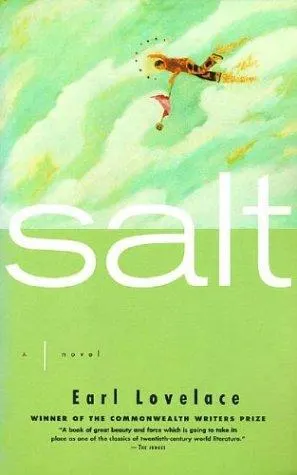
Books like Salt
A village seems to gather around you in Salt: jokes become testimony, folktales open onto buried violence, and argument becomes a way of reclaiming history. Its warmth never softens its central question—what freedom means when emancipation has changed the law but not the ground beneath people’s feet.
If you liked Salt, you’ll love these
Not lookalikes — kindred books. Each one shares something essential with Salt, and we tell you exactly what.
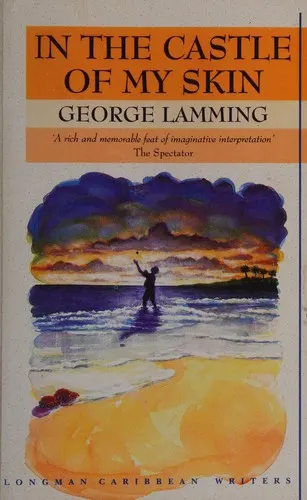
Lamming’s landmark novel turns a Barbadian boyhood into a many-voiced inquiry about colonial rule. School lessons, neighborhood gossip, family life and disputes over land all reveal how empire enters ordinary habits of speech and thought.
Like Lovelace, Lamming distrusts official history and lets a community produce its own account. The narration moves between intimate recollection and a wider village chorus, making political awakening feel lived rather than explained. First published in 1953, it helped define the possibilities of the modern Caribbean novel; a reader moved by Salt should encounter this essential ancestor to Lovelace’s art.
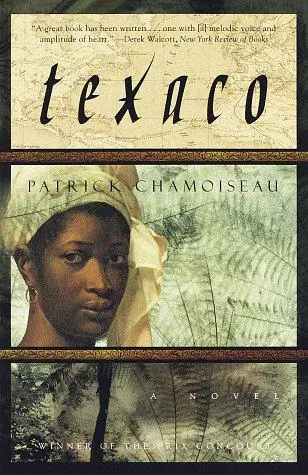
Texaco is built from the conviction that people excluded from archives must become their own historians. An elderly Martinican woman tells the story of her family and the settlement she helped create, transforming remembered speech, scraps of documents, legends and hard-won urban knowledge into a counter-history of slavery and its aftermath.
The kinship with Salt lies especially in the language: unruly, comic, lyrical and determined not to let bureaucratic categories have the final word. Chamoiseau’s novel is denser and more baroque than Lovelace’s, but it has the same faith in storytelling as an act of possession. Its 1992 Prix Goncourt was a rare recognition for a novel so radically committed to Creole memory; missing it means missing one of the great communal epics of postcolonial literature.
On the eve of Kenyan independence, a village prepares for celebration while its inhabitants carry private memories of resistance, fear and compromise. Ngũgĩ shifts among them with extraordinary control, showing that liberation is never a clean dividing line between oppression and freedom.
Where Salt is expansive and mischievous, A Grain of Wheat is taut and grave. Yet both refuse easy heroes, measuring public ideals against the compromised lives of actual people. Ngũgĩ’s polyphonic structure makes history a moral burden shared across a community, and his humane scrutiny of betrayal never collapses into cynicism. A touchstone of African literature since 1967, it is the novel to read when Salt’s unfinished emancipation continues to trouble you.