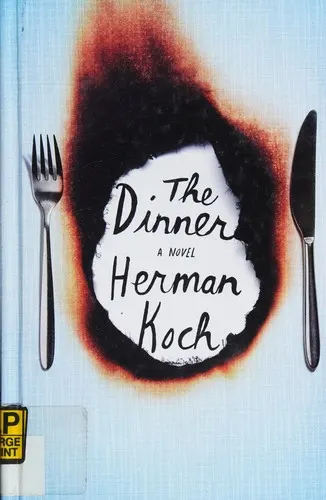
Books like The Dinner
After Koch’s elegant evening of evasions, the appetite is for another novel that makes bad faith seductive: intimate, mordantly funny, and capable of turning every judgment back on the reader.
If you liked The Dinner, you’ll love these
Not lookalikes — kindred books. Each one shares something essential with The Dinner, and we tell you exactly what.

Barbara Covett, a lonely schoolteacher, narrates her friendship with a colleague whose affair with a pupil becomes a public scandal. But the real drama lies in Barbara’s proprietorial sympathy—her insinuations, omissions, and exquisitely phrased acts of self-exoneration.
Like Koch, Heller makes voice into a trap: Barbara is observant enough to win your confidence and compromised enough to poison it. This Booker-shortlisted novel is lean, venomously funny, and psychologically exact. Anyone who enjoyed discovering what Paul’s civilized narration was concealing will find Barbara irresistible company—and then recoil at having found her irresistible.
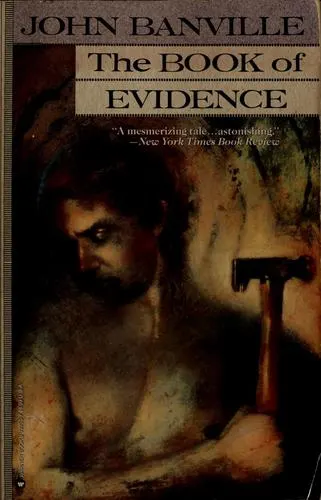
Freddie Montgomery tells us from the outset that he has committed a terrible crime; the suspense comes from watching him arrange language around it. Cultivated, vain, intermittently charming, he treats confession as an aesthetic performance—and repeatedly reveals more than he understands.
Banville’s Booker-shortlisted novel offers the purest version of one of The Dinner’s great pleasures: being held captive by an intelligent narrator who believes eloquence can outrun culpability. The prose is dazzling without softening the moral ugliness. Few novels make self-deception this beautiful, or beauty feel this incriminating.
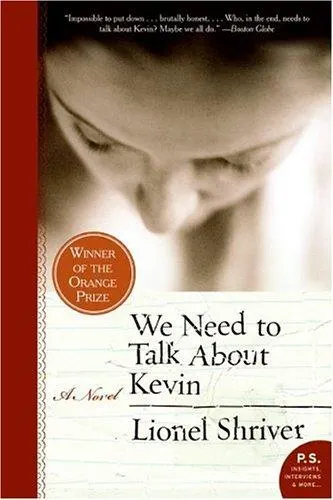
In letters to her estranged husband, Eva looks back on raising their son Kevin after his horrifying act of violence. She examines motherhood, resentment, responsibility, and the stories parents construct about their children—but her formidable intelligence never guarantees that her account is fair.
The kinship with The Dinner lies not simply in parents confronting a child’s crime, but in the ruthless question beneath both books: when does love become complicity? Shriver keeps shifting the balance between nature and nurture, candor and self-defense, until certainty feels impossible. Winner of the Orange Prize and still fiercely argued over, it is a long, unnerving immersion that readers rarely forget—or stop debating.