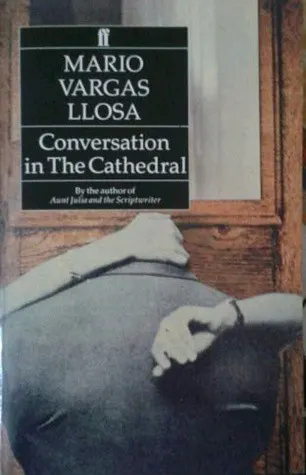
Books like Conversation in The Cathedral
Conversation in The Cathedral and Carlos Fuentes’s The Death of Artemio Cruz belong together as audacious anatomies of nations whose public corruption has entered private memory.
If you liked Conversation in The Cathedral, you’ll love these
Not lookalikes — kindred books. Each one shares something essential with Conversation in The Cathedral, and we tell you exactly what.
A powerful businessman lies dying while relatives and associates gather around him, and his fractured consciousness begins turning over the bargains, betrayals, desires, and accidents that made him. Fuentes shifts among first, second, and third person, making memory feel less like testimony than a struggle over who owns a life.
As in Vargas Llosa’s novel, virtuoso form serves a devastating moral inquiry: how does historical idealism harden into appetite, and when does survival become complicity? Cruz is neither merely monster nor victim; his divided self embodies the compromised promise of modern Mexico. A cornerstone of the Latin American Boom, this is the rare companion novel that can meet Conversation in The Cathedral in both political intelligence and structural daring.
A nearly anonymous clerk impulsively kills a Soviet official, and the investigation spreads outward through the regime. Serge follows officials, prisoners, idealists, opportunists, and exhausted believers, showing how a dictatorship manufactures guilt while forcing everyone inside it to speak a language they know is false.
The kinship lies in the panoramic accumulation of compromised lives. Like Vargas Llosa, Serge refuses to reduce politics to rulers and victims: power passes through friendships, careers, marriages, memories, and tiny acts of cowardice or mercy. Written by a revolutionary who had survived Stalinist imprisonment and exile, the novel possesses an authority no research could counterfeit. Often regarded as Serge’s masterpiece, it is at once suspenseful, humane, and terrifyingly lucid.
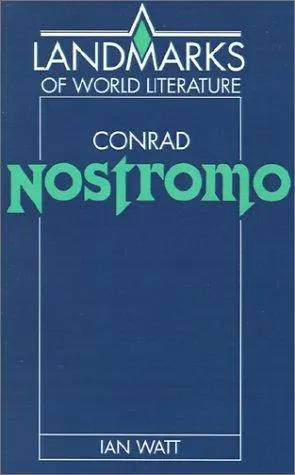
Conrad begins with the isolated port of Sulaco, where foreign capital, local ambition, revolutionary rhetoric, and a fabulously productive silver mine have become inseparable. Rather than granting any single character mastery of the story, he keeps changing distance and perspective until an entire political economy comes into view.
Readers who loved Vargas Llosa’s interlocking chronology will relish the way Conrad circles events, withholding context and then making an earlier scene suddenly change meaning. More importantly, both novels understand corruption not as a collection of scandals but as an atmosphere: even courage, loyalty, and patriotism can be converted into instruments of power. One of Conrad’s supreme achievements, Nostromo remains startlingly modern in its account of money, myth, and foreign influence—and its final moral pressure is immense.