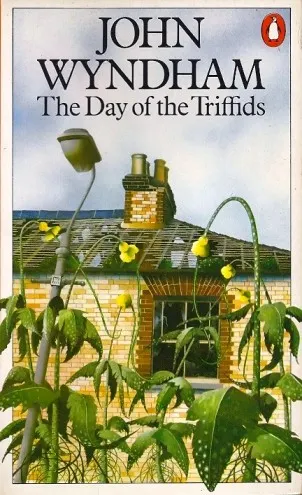
Books like The Day of the Triffids
The Day of the Triffids and John Christopher’s The Death of Grass are companion studies in how quickly ordinary English life can become a ruthless contest for survival. Beyond that closest match, these novels share Wyndham’s clear-eyed suspense, moral pressure, and fascination with what remains when civilization’s assumptions disappear.
If you liked The Day of the Triffids, you’ll love these
Not lookalikes — kindred books. Each one shares something essential with The Day of the Triffids, and we tell you exactly what.
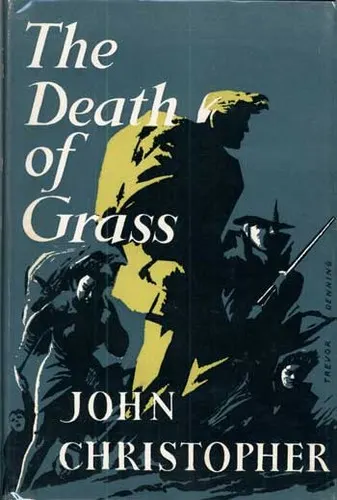
A virus destroys the world’s grasses—including the crops that sustain human civilization—and one family attempts to escape London before scarcity turns into anarchy. Christopher dispenses with spectacle and concentrates on decisions: whom to trust, what to carry, and what formerly unthinkable act might become necessary an hour from now.
Like Wyndham, he writes catastrophe in calm, lucid prose, making collapse frighteningly plausible rather than melodramatic. But this bleak, influential classic pushes harder at the survivor’s conscience: every practical choice carries a moral cost. It is perhaps the purest next read for anyone who admired the brisk intelligence and gathering dread of Triffids.
While staying at an Alpine hunting lodge, a woman discovers that an invisible barrier has cut her off from the rest of humanity. Her account becomes an exact record of work—planting, preserving food, tending animals—and of the strange inner life created by radical solitude.
Haushofer shares Wyndham’s gift for turning survival logistics into compelling fiction, but her cult classic is quieter, more intimate, and ultimately more haunting. Its animals are not decorative companions but fellow lives on which meaning and survival depend. Readers devoted to it often speak of being permanently altered by its unsentimental tenderness; its apparently simple sentences accumulate into something unforgettable.
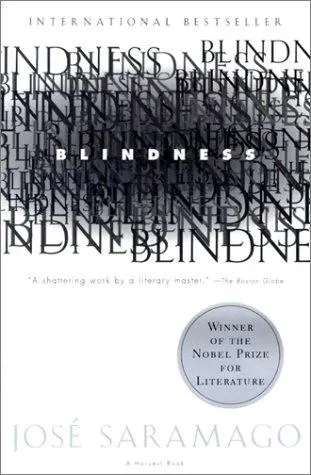
An unexplained epidemic of blindness spreads through a city, and the authorities respond with fear, confinement, and improvisation. Saramago’s premise has the clean force of Wyndham’s best inventions: one biological disruption exposes every concealed weakness in the social order.
The Nobel laureate’s flowing, punctuation-light prose creates an urgent collective voice, while his characters confront the same question that animates Triffids: is civilization a durable moral achievement or merely a set of habits maintained by comfort? Fierce, appalling, and unexpectedly compassionate, Blindness transforms disaster fiction into an examination of dignity itself.