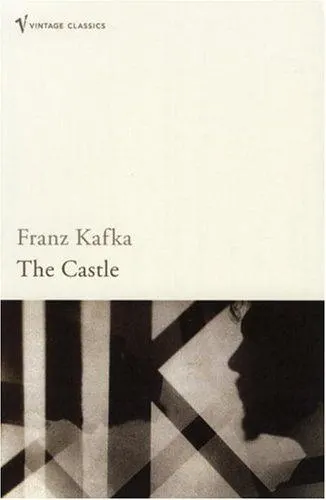
Books like The Castle
The Castle captivates readers who enjoy being lost intelligently: readers who find dread, absurdity, and comedy in explanations that only deepen the mystery, and who can feel an unreachable authority become almost metaphysical.
If you liked The Castle, you’ll love these
Not lookalikes — kindred books. Each one shares something essential with The Castle, and we tell you exactly what.
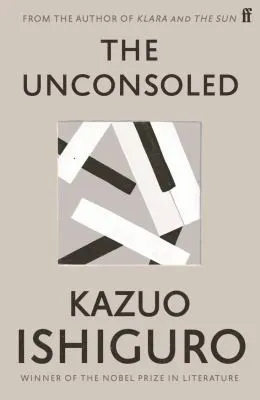
A renowned pianist arrives in an unnamed European city, where everyone appears to know what he has promised—even when he does not. Corridors open into improbable places, appointments proliferate, and minor requests acquire the force of moral law.
Ishiguro recreates Kafka’s peculiar dream-pressure: the sense that there must be a governing logic, though it remains just beyond conscious reach. But where K. battles officialdom, Ryder is trapped by social expectation, guilt, and his own evasions. The result is simultaneously funny, painful, and terrifyingly recognizable.
Initially divisive, The Unconsoled has become one of Ishiguro’s most passionately defended novels. Its vast, seamless nightmare makes ordinary life look newly strange; for many readers, it is his masterpiece.
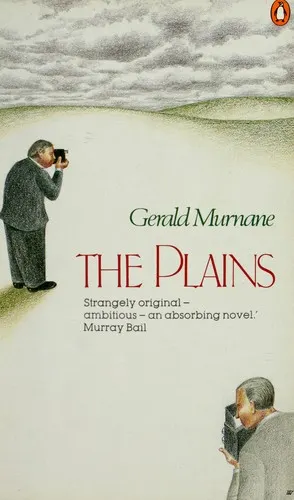
A filmmaker travels into Australia’s interior hoping to find a wealthy patron for an ambitious project about the plains. What follows is less a conventional story than an initiation into a hidden civilization of landowners, artists, rival theories, private archives, and infinitely receding meanings.
Like The Castle, it turns an outsider’s search for admission into a metaphysical quest. Every apparent center reveals another center behind it; every interpretation becomes evidence for its opposite. Yet Murnane’s crystalline prose creates a very different atmosphere from Kafka’s: sunlit, austere, and hypnotically still.
This short novel is widely regarded as the masterpiece of one of Australia’s most singular writers. Few books make uncertainty feel so spacious—or leave such an enormous imaginative afterimage.
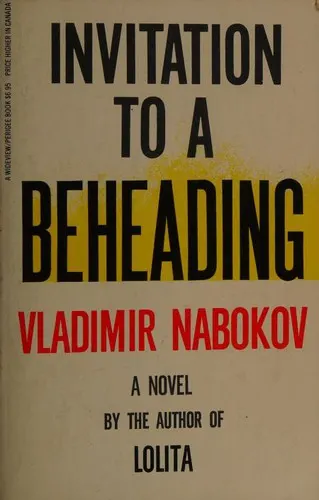
Cincinnatus C. has been condemned to death for the opaque crime of “gnostical turpitude.” No one will tell him when the execution will occur, and his jailers behave less like agents of a state than performers in a shoddy, sinister pageant.
The kinship with Kafka lies in the comedy of arbitrary power: procedure becomes theater, language refuses to clarify anything, and cheerful functionaries make horror more absurd rather than less. Nabokov, however, gives his prisoner an inward luminosity that the surrounding counterfeit world cannot quite extinguish. His prose flashes, transforms, and mocks the machinery trying to contain him.
One of the finest novels of Nabokov’s Russian period, Invitation to a Beheading is not merely Kafkaesque; it is a dazzling rival vision of how imagination confronts an unintelligible sentence.