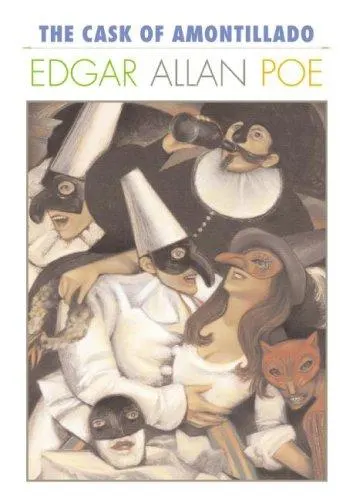
Books like The Cask of Amontillado
Polished manners conceal malice; cultivated voices turn confession into performance; and every carefully chosen detail tightens the trap.
If you liked The Cask of Amontillado, you’ll love these
Not lookalikes — kindred books. Each one shares something essential with The Cask of Amontillado, and we tell you exactly what.
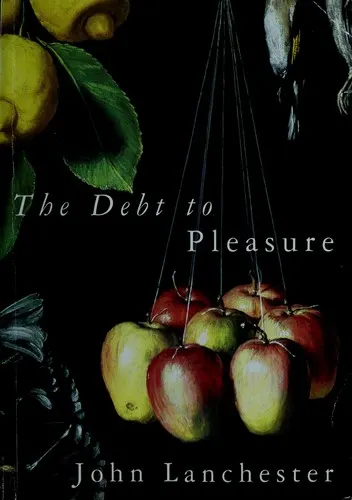
Tarquin Winot’s culinary memoir begins as an erudite tour of recipes, travel, wine, and taste—then darker implications emerge between the courses. Like Montresor, Tarquin treats refinement as both camouflage and proof of superiority, trusting his exquisite style to make cruelty seem almost reasonable.
Winner of the Whitbread First Novel Award, Lanchester’s debut is wickedly controlled: funny, appalling, and constructed so that innocent-looking remarks acquire lethal aftertastes. Anyone who relishes Poe’s fusion of connoisseurship, irony, and revenge should find this irresistible.
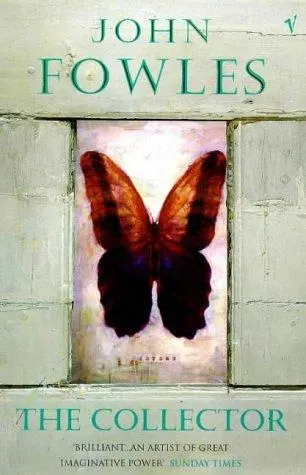
Frederick Clegg collects butterflies. When a sudden fortune gives him freedom, his habit of possessing beautiful things takes a human form. He narrates with such drab, self-excusing calm that the horror lies not in theatrical villainy but in his inability to understand why his desires might be monstrous.
Fowles turns confinement into an intimate psychological contest, forcing the reader to notice every rationalization and shift of power. An enduring modern classic, The Collector has disturbed generations because its prison is built not only from walls but from language: the captor keeps revising his story until he can imagine himself innocent.
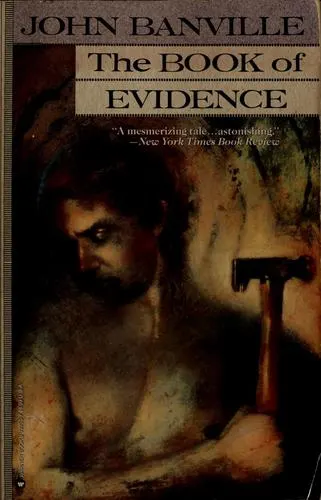
Freddie Montgomery addresses the court after committing a terrible crime, offering not repentance so much as a dazzling account of himself. His intelligence and verbal beauty continually threaten to seduce the reader—even as his vanity, evasions, and aesthetic posturing expose him.
This is the closest of the three to Poe’s pleasure in a murderer who cannot resist displaying his own artistry. Banville’s sentences are sumptuous, but their elegance sharpens rather than softens the moral chill. Shortlisted for the Booker Prize, the novel is a master class in the unreliable confession: skip it, and you miss one of fiction’s most brilliantly compromised voices.