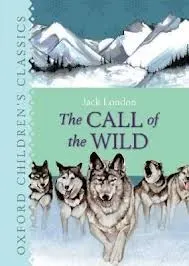
Books like The Call of the Wild
—because Buck’s journey is more than an adventure: it strips away the comforts of civilization until instinct, freedom, violence, and loyalty feel elemental. These novels exert the same primal pull.
If you liked The Call of the Wild, you’ll love these
Not lookalikes — kindred books. Each one shares something essential with The Call of the Wild, and we tell you exactly what.
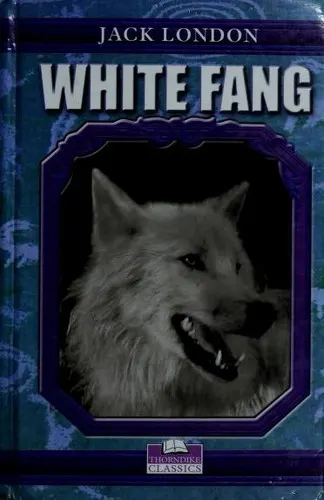
London’s essential counterpoint to The Call of the Wild reverses Buck’s trajectory: a wolf-dog born in the wilderness is drawn into the human world. That symmetry makes White Fang far more than a companion piece. It is London’s second great experiment in asking whether savagery or tenderness is innate—and how hunger, cruelty, patience, and affection remake a living creature.
The prose has the same hard speed and bodily immediacy: cold bites, teeth settle arguments, and every scrap of food matters. Yet White Fang adds a moving study of trust without softening London’s unsentimental vision. Read together, the two novels form one of literature’s great paired investigations of wildness and civilization.
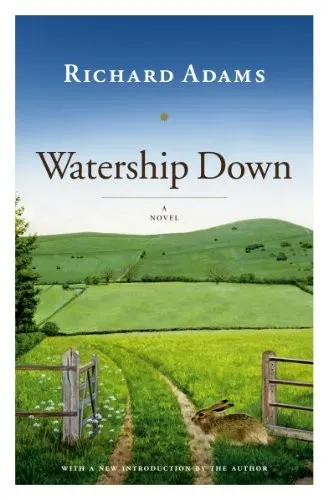
Adams takes rabbits seriously without turning them into disguised, cuddly humans. When Fiver foresees catastrophe, a small band leaves its warren; from there, every road, field, scent, and shadow becomes charged with danger. Like London, Adams makes you inhabit an animal’s scale of existence, where weather is fate and a moment’s hesitation can be fatal.
But this Carnegie Medal and Guardian Prize winner also builds an enthralling culture of stories, beliefs, leadership, and competing ideas of freedom. Its chases and battles have genuine ferocity, while its invented rabbit folklore gives the adventure mythic depth. Readers often begin it expecting a charming animal tale and finish convinced they have read an epic.
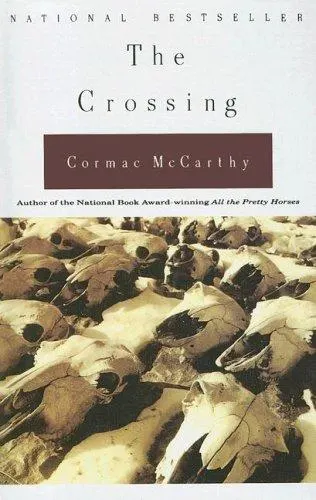
The opening movement of The Crossing follows young Billy Parham as he tries to trap a she-wolf preying on his family’s cattle. What develops from that encounter is rooted in the same realization that drives Buck’s story: the wild is not scenery but an order of being, indifferent to human ownership and moral certainty.
McCarthy’s language is more demanding than London’s, but it possesses a comparable muscular grandeur. Wolves, horses, hunger, distance, and sudden violence carry philosophical weight without becoming mere symbols. Often singled out as the most haunting volume of McCarthy’s acclaimed Border Trilogy, The Crossing turns an encounter with an animal into something ancient, sorrowful, and immense. Anyone moved by Buck’s passage beyond the human world should not miss it.