Books like The Book of Laughter and Forgetting
You relish novels that distrust official history, treat memory as both refuge and trap, and move effortlessly among story, essay, comedy, and philosophical provocation. These three books share Kundera’s conviction that formal play can reveal what power—and the self—would rather erase.
If you liked The Book of Laughter and Forgetting, you’ll love these
Not lookalikes — kindred books. Each one shares something essential with The Book of Laughter and Forgetting, and we tell you exactly what.
Ugrešić builds her novel from photographs, lists, anecdotes, dreams, and apparently stray objects—the portable remains of a life fractured by exile. Like Kundera, she understands that history enters private existence through jokes, love affairs, habits, and embarrassing scraps of recollection rather than through grand declarations.
The book’s collage form is integral to its emotional force: fragments become what a displaced person carries when a coherent past is no longer available. Ugrešić’s wit is dry, unsentimental, and sharpened by her own estrangement from the former Yugoslavia. Now recognized as one of her essential works, this is the closest recommendation here to Kundera’s peculiar fusion of intellectual freedom, political grief, and mischievous formal invention.
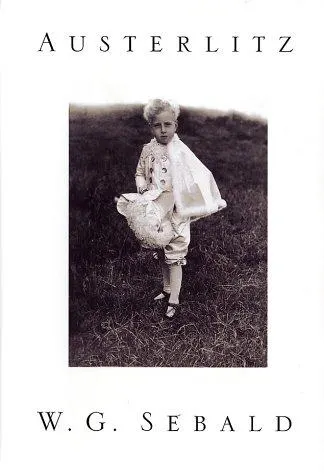
A chance meeting in a railway station begins a long, recursive act of remembrance. Sebald’s narrator listens as Jacques Austerlitz circles a childhood whose meaning has been withheld from him; photographs interrupt the prose, buildings seem to store buried time, and memory advances by detour rather than revelation.
Where Kundera is quick, teasing, and aphoristic, Sebald is hypnotic and mournful. Yet both ask the same devastating question: what remains of a person when history has tampered with the past? Widely regarded as Sebald’s masterpiece, Austerlitz turns historical forgetting into an intimate pressure felt in rooms, faces, and inexplicable fears. Its grave, dreamlike beauty makes it difficult to leave behind.
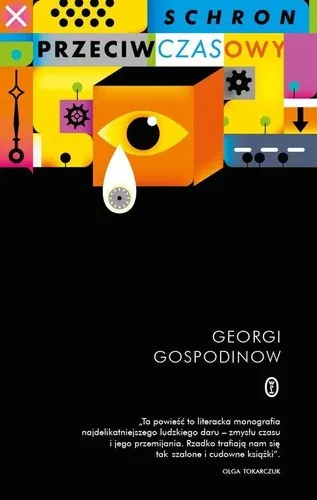
A therapist creates a clinic in which rooms reproduce past decades for patients losing their memories. From that brilliant premise, Gospodinov develops a comedy of nostalgia that gradually expands beyond medicine: if individuals seek shelter in vanished time, why shouldn’t entire nations do the same?
This is the recommendation for the reader who loved Kundera’s audacity—the sudden pivots from farce to dread, the essayistic digressions, and the sense that a joke can diagnose a political catastrophe more accurately than solemn rhetoric. Winner of the 2023 International Booker Prize, Time Shelter has become a defining European novel of our era because it recognizes nostalgia not as harmless sentiment but as a dangerous technology of power. It is playful, melancholy, and alarmingly current.