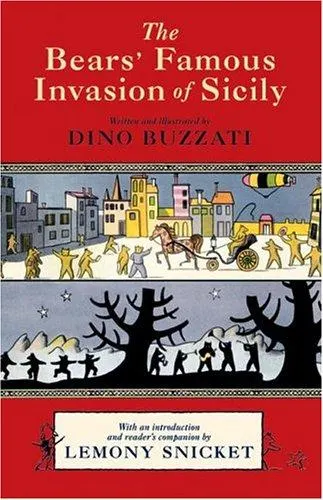
Books like The Bears' Famous Invasion of Sicily
Buzzati’s tale leaves a taste for stories that are playful without being slight: brisk, strange adventures in which comedy slowly reveals hard truths about freedom, power, loyalty, and loss.
If you liked The Bears' Famous Invasion of Sicily, you’ll love these
Not lookalikes — kindred books. Each one shares something essential with The Bears' Famous Invasion of Sicily, and we tell you exactly what.
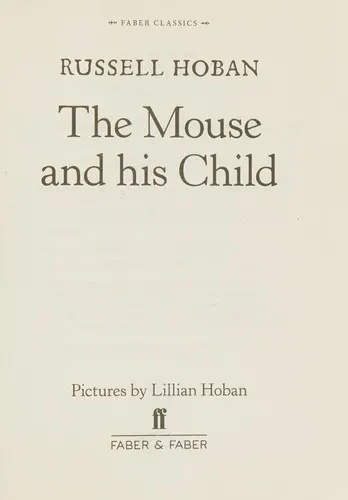
A clockwork father-and-son toy, joined at the hands, longs to become self-winding and find a home. From that delicate premise Hoban makes an adventure at once funny, perilous, and philosophically rich.
Like Buzzati, he never patronizes young readers or reassures adults too cheaply. Lillian Hoban’s illustrations sharpen the book’s peculiar tenderness, while the toy characters’ vulnerability gives every escape and kindness real weight. Since its 1967 publication, it has become a fiercely cherished children’s classic—the kind readers press on friends because its final emotional power is almost impossible to convey without saying: read it.
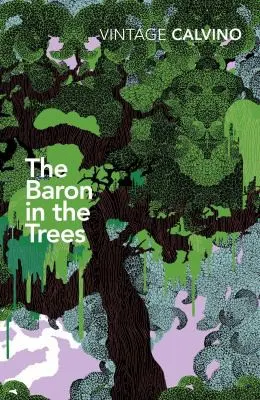
After quarreling with his family, twelve-year-old Cosimo climbs into the trees and declares that he will never come down. Calvino treats this impossible decision with perfect seriousness, building from it a buoyant life of independence, argument, love, and intellectual adventure.
The kinship with Buzzati lies in the effortless turn from fairy-tale absurdity to something piercingly human. Both writers understand that freedom can be glorious, ridiculous, and lonely, and both tell their stories with a deceptively light touch. One of Calvino’s most beloved novels, this is a radiant demonstration of why he became a defining fabulist of the twentieth century.
When a boy unexpectedly inherits a throne, he discovers that wanting to rule justly is far simpler than dealing with ministers, newspapers, budgets, rival nations, and the conflicting demands of his subjects. Korczak turns government into an enormous, darkly comic children’s predicament.
Readers who loved Buzzati’s bears trying to exchange wilderness for civilization will recognize the same fascination with good intentions under pressure. Korczak—an influential educator who devoted his life to children—grants Matt’s ideals complete dignity while remaining unsparing about vanity, bureaucracy, and power. Long regarded as a Polish children’s classic, the novel has the rare moral seriousness of a book that knows innocence deserves honesty, not protection from the truth.