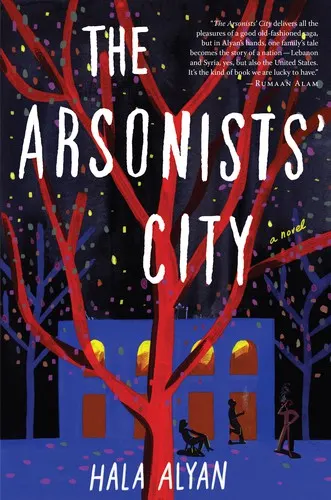
Books like The Arsonists' City
Reading The Arsonists’ City feels like being pulled into a family embrace that is warm, bruising, theatrical, and impossible to escape: every quarrel opens onto an older betrayal, and every idea of home contains another lost home.
If you liked The Arsonists' City, you’ll love these
Not lookalikes — kindred books. Each one shares something essential with The Arsonists' City, and we tell you exactly what.
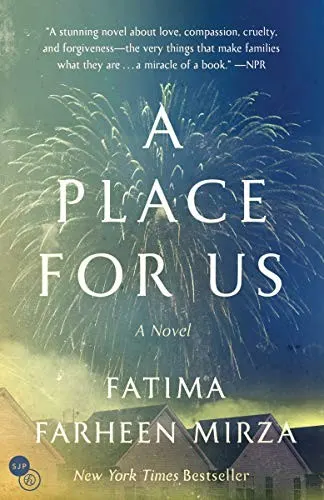
An Indian Muslim family gathers in California for a wedding, bringing an estranged son back into the fold. Mirza then moves through time, letting gestures at the celebration acquire their full histories of tenderness, shame, faith, and misunderstanding.
Like Alyan, she understands that families rarely fracture because love is absent; they fracture because love becomes entangled with duty, fear, and incompatible dreams. The novel’s shifting perspectives make parents and children devastatingly legible to one another—and to us—even when they cannot communicate. This bestselling debut is quieter than The Arsonists’ City, but its emotional accumulation is immense. Its final movement recasts everything before it with such compassion that skipping it would mean missing one of the most piercing contemporary novels about belonging to a family that has hurt you.
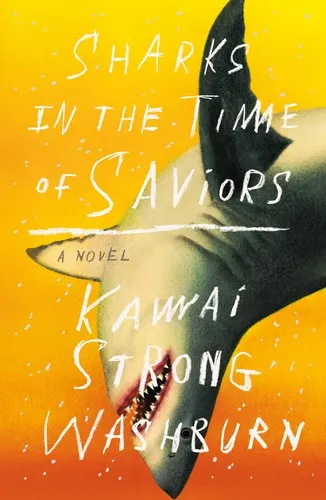
When seven-year-old Nainoa falls from a boat off Hawai‘i and is returned by sharks, his family begins to wonder whether he has been marked for an extraordinary destiny. From that arresting opening, Kawai Strong Washburn gives each family member a voice, building a fiercely intimate story of siblings, parents, money, migration, resentment, and the gravitational pull of an island homeland.
Readers who loved how Alyan makes Beirut both a real city and an emotional inheritance will recognize Washburn’s refusal to treat place as scenery. Hawai‘i lives in the family’s language, mythology, economic pressures, and bodies. Yet this PEN/Hemingway-winning debut has a wild cadence all its own—earthy, ecstatic, funny, and grief-struck. Few novels make sibling rivalry and ancestral belonging feel so simultaneously ordinary and mythic.
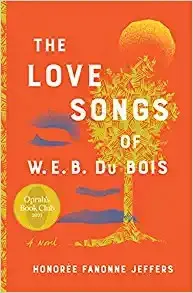
Honorée Fanonne Jeffers enlarges the multigenerational family novel until personal memory and national history become inseparable. At its center is Ailey Pearl Garfield, growing up between a northern city and her mother’s ancestral town in Georgia; around her, the novel opens into the lives of generations whose loves, compromises, and wounds have shaped her before she can name them.
What links it most powerfully to The Arsonists’ City is its conviction that history does not remain outside the house. It enters marriages, sibling bonds, silences, and ideas about who is entitled to belong. Jeffers writes with enormous authority and sensuous detail, giving even minor figures the density of entire lives. Winner of the National Book Critics Circle Award for Fiction, this is a vast novel that earns its scale: by the end, one family’s hidden past feels like an indispensable account of America itself.