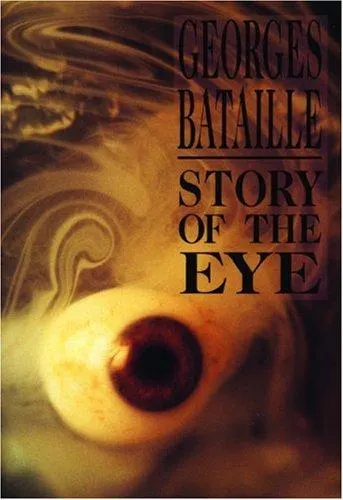
Books like Story of the Eye
The reader who falls for Story of the Eye wants prose that turns obscenity into ritual: lucid, funny, frighteningly beautiful, and driven by images that mutate until desire and horror become inseparable. These three novels produce that same dangerous exhilaration by very different means.
If you liked Story of the Eye, you’ll love these
Not lookalikes — kindred books. Each one shares something essential with Story of the Eye, and we tell you exactly what.
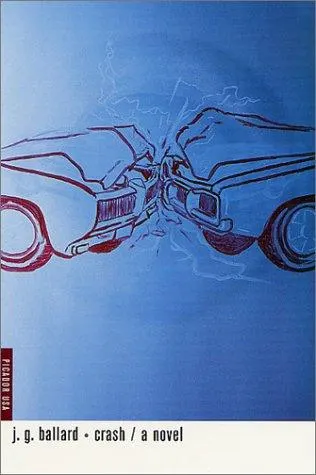
Ballard does with automobiles, wounds, and celebrity photographs what Bataille does with eyes, eggs, and other gleaming objects: he builds a private symbolic system in which erotic desire migrates into matter. Its clinical sentences make the escalating fixation feel not merely shocking but eerily logical.
One of the most controversial British novels of the twentieth century, Crash has endured because its cold vision of technology colonizing the imagination now seems prophetic. It lacks Bataille’s feverish lyricism, but replaces it with a precision just as intoxicating. If Story of the Eye taught you that an object can become obscene through repetition and substitution, Crash is the essential next experiment.
This brief diary novel opens the consciousness of Lucien, a Parisian antiques dealer whose cultivated sensibility coexists with an extreme forbidden appetite. Wittkop refuses both reassuring psychology and moral melodrama. Instead, she writes decay, tenderness, loneliness, and physical disgust in prose of unnerving elegance.
The kinship with Bataille lies in the absolute refusal to separate beauty from abjection. Yet Wittkop’s voice is more melancholy and intimate: where Story of the Eye races like a blasphemous farce, The Necrophiliac whispers like a love elegy from somewhere below ground. Its cult reputation rests on precisely that impossible poise. Few novels this short leave such a persistent stain on the imagination.
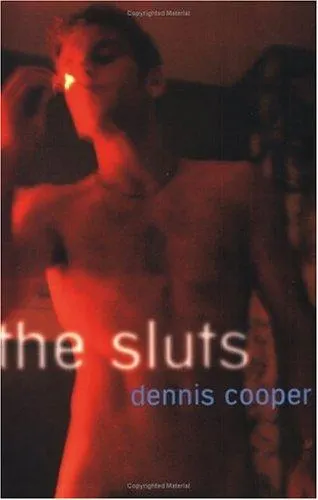
Presented through reviews, posts, arguments, and rumors on an online forum for male escorts, The Sluts makes obscenity a collaborative act of storytelling. Facts dissolve into fantasies; readers become authors, voyeurs, detectives, and consumers at once. The crucial thrill is not simply what may have happened, but how language manufactures desire and then loses control of it.
That makes Cooper a genuine heir to Bataille rather than merely another provocateur. Both understand transgression as a formal principle: repetition intensifies images, comedy sharpens horror, and the reader’s curiosity becomes part of the trap. Winner of France’s Prix Sade and a fiercely admired landmark of transgressive fiction, The Sluts is formally audacious, viciously funny, and almost impossible to read passively.