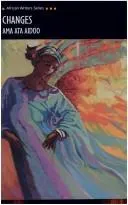
Books like Changes: A Love Story
Clear-eyed, intimate, and edged with irony, these novels understand that freedom can be exhilarating without making love, family, or compromise any simpler.
If you liked Changes: A Love Story, you’ll love these
Not lookalikes — kindred books. Each one shares something essential with Changes: A Love Story, and we tell you exactly what.

Written as a newly widowed Senegalese woman’s letter to her closest friend, this slender novel has the candor and intellectual force of an argument conducted between people who know one another completely. Like Aidoo, Bâ examines marriage, polygamy, education, friendship, and independence without turning her women into symbols or her men into convenient villains.
Winner of the inaugural Noma Award, it became a landmark of African women’s writing because it makes private disappointment reveal an entire social order. Its elegance can disguise how radical it is: every measured sentence asks what dignity costs and whether love can survive unequal freedom.
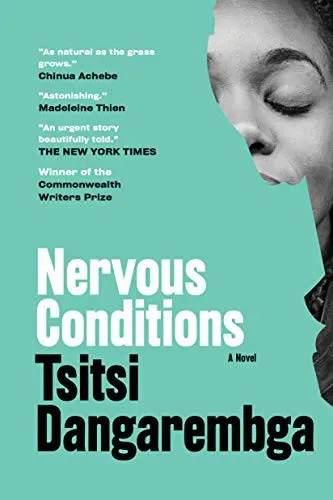
Dangarembga’s famous opening—“I was not sorry when my brother died”—announces a narrator as startlingly unsentimental as Aidoo’s. Tambu watches education promise escape while quietly imposing new disciplines of class, gender, and colonial respectability. Her intelligence does not exempt her from contradiction; it makes her increasingly able to see it.
The novel’s great kinship with Changes lies in that refusal to offer a clean model of liberation. Its women resist in radically different ways, and each pays a different price. Now established as a modern classic, Nervous Conditions is witty, exacting, and so psychologically acute that Tambu’s voice is difficult to forget.
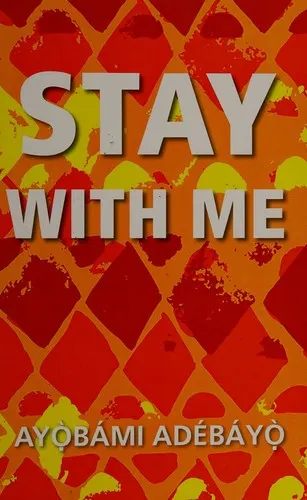
If the most gripping element of Changes was its portrayal of love buckling under competing expectations, read Stay with Me. Yejide and Akin begin with a private understanding of what their marriage will be; almost immediately, family pressure over their childlessness begins to rewrite that understanding for them.
Adébáyọ̀ gives both spouses a voice, creating a painful double vision: affection remains real even as secrecy and social obligation deform it. Shortlisted for the Baileys Women’s Prize, this celebrated debut has the momentum of a domestic drama and the moral complexity of Aidoo’s work. It is tender, furious, and exceptionally hard to put down.