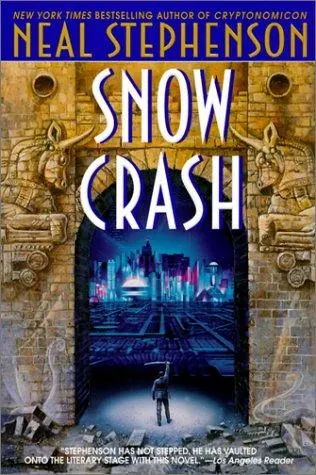
Books like Snow Crash
After its last page, the appetite is for more fiction that moves at impossible speed, treats ideas as action scenes, and can pivot from savage comedy to genuine awe without losing control.
If you liked Snow Crash, you’ll love these
Not lookalikes — kindred books. Each one shares something essential with Snow Crash, and we tell you exactly what.
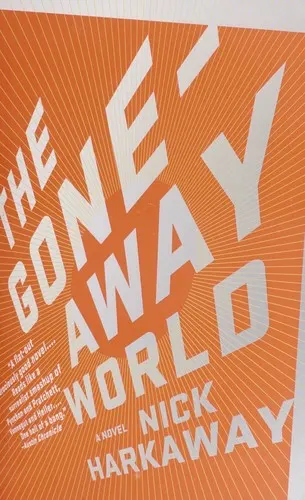
Harkaway shares Stephenson’s gift for making intellectual excess exhilarating. His narrator joins a band of combat-trained truckers crossing a catastrophically altered world, but the real attraction is the novel’s fearless accumulation: kung fu, corporate euphemism, friendship, metaphysics, bureaucracy, and weapons whose consequences outstrip anyone’s vocabulary.
Like Snow Crash, it is very funny until the joke opens beneath your feet. Harkaway sustains the gonzo momentum while giving the book an unexpectedly powerful emotional center. This acclaimed debut became a cult favorite because it delivers the rare maximalist thrill of a novel that seems willing to try anything—and somehow earns its extravagance.
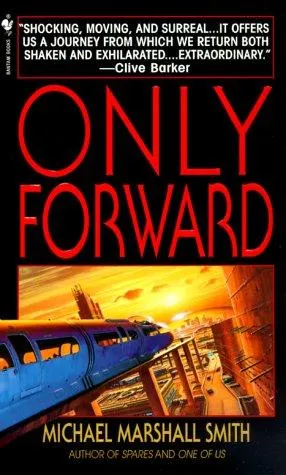
Stark lives in a city divided into bizarre neighborhoods, each organized around an obsession; when a child disappears, his search begins as wisecracking futuristic detective fiction and grows stranger from there. Smith writes with the same snap and swagger that make Hiro Protagonist’s adventures addictive: jokes land quickly, inventions arrive without laborious explanation, and the narrator’s cool competence is continually tested by a world too peculiar to master.
What distinguishes Only Forward—and won it the Philip K. Dick Award—is its startling tonal reach. The comic invention gradually reveals tenderness, dread, and philosophical ambition. It remains a fiercely beloved cult novel because readers expecting stylish fun discover something far more haunting.
Read this not simply because it helped define cyberpunk, but because its language produces the intoxication that Snow Crash both inherits and gleefully lampoons. Gibson drops the ruined hacker Case into a job involving mercenaries, artificial intelligence, and cyberspace, then lets implication do the work: every sentence feels compressed, neon-lit, and electrically alive.
Where Stephenson is expansive and comic, Gibson is cool, elliptical, and dreamlike. Yet both make jargon musical and turn abstract systems into visceral environments. Neuromancer became the first novel to win the Hugo, Nebula, and Philip K. Dick awards because it did more than predict technological imagery—it changed science fiction’s imaginative vocabulary. Snow Crash is even richer when you have felt the current it was answering.