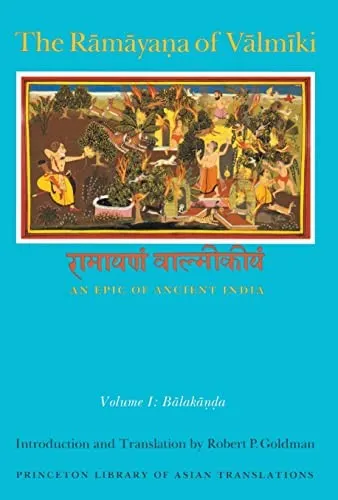
Books like Ramayana
Readers who return to Valmiki tend to want moral grandeur without moral simplicity: vows that shape kingdoms, love tested by duty, divine purposes shadowed by human grief, and characters large enough to sustain centuries of argument.
If you liked Ramayana, you’ll love these
Not lookalikes — kindred books. Each one shares something essential with Ramayana, and we tell you exactly what.
Bhyrappa’s landmark Kannada novel reimagines the Mahabharata as testimony: its great figures remember, justify and question the choices that drew them toward catastrophe. The kinship with Valmiki lies not merely in epic material but in its conviction that dharma becomes most compelling when every available course carries a cost.
Parva strips away supernatural distance without diminishing the story’s magnitude. War, kinship, legitimacy and honour become bodily and immediate, while the many voices prevent any single moral verdict from prevailing. For a reader who argues inwardly with Rama, Sita, Lakshmana or Kaikeyi, this acclaimed modern classic offers an entire civilization’s ethical debate conducted through unforgettable human beings.
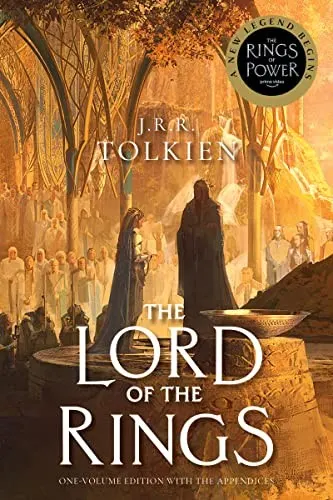
Few modern novels recover the Ramayana’s union of intimate loyalty and world-altering consequence so completely. Tolkien’s heroes are measured less by power than by fidelity: whether they can keep faith, resist corruption and continue when hope has ceased to be reasonable. Friendship, renunciation and rightful rule matter more than conquest.
Its immense influence can obscure how movingly written it is. Songs, genealogies, ruined realms and living landscapes give the journey the depth of inherited memory, while moments of mercy quietly govern history. Like Valmiki’s epic, it can be read first for adventure and then revisited for its wisdom about leadership, temptation, grief and return. To miss it is to miss the rare modern work that genuinely earned a place in the world’s mythic imagination.
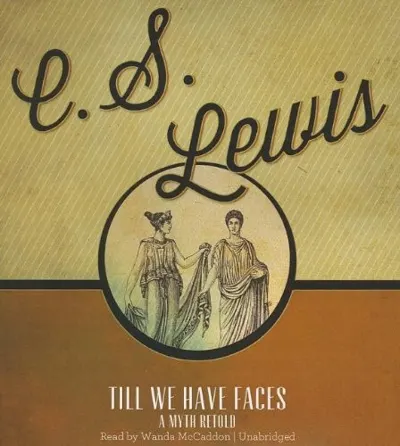
This is the choice for the reader most haunted by the Ramayana’s painful entanglement of love, righteousness and divine command. A princess addresses the gods with a formal accusation, telling the story of the beloved sister she believes they have wronged. Her eloquent complaint gradually exposes questions more unsettling than simple divine injustice: how much possessiveness can hide inside devotion, and whether we can see those we claim to love as they truly are.
Lewis considered it his finest novel, and many readers agree. Its imagined ancient kingdom feels severe and numinous, but the real epic landscape is the judging mind of its narrator. Compact, fierce and endlessly rereadable, it offers what Valmiki offers at his most profound: not reassurance, but a story in which suffering forces love to discover its true face.