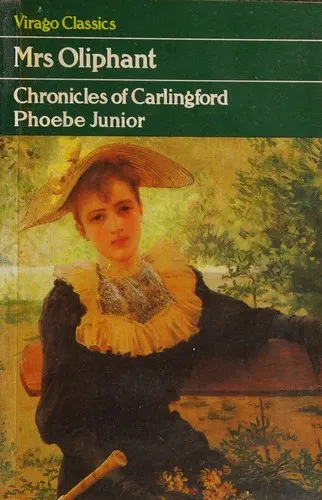
Books like Phoebe, Junior
A drawing-room door opens, and suddenly the whole town is visible: its vanities, loyalties, institutions, and the quietly formidable women who understand them better than anyone else.
If you liked Phoebe, Junior, you’ll love these
Not lookalikes — kindred books. Each one shares something essential with Phoebe, Junior, and we tell you exactly what.
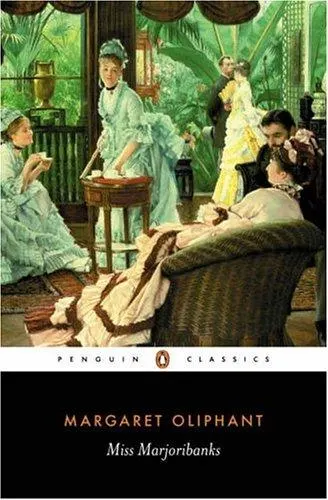
Lucilla Marjoribanks returns home determined to become indispensable to her father—and proceeds, through her celebrated Thursday evenings, to reorganize Carlingford’s social life. Like Phoebe, she treats conversation, hospitality, and reputation as instruments requiring intelligence and discipline.
Often regarded as Oliphant’s comic masterpiece, the novel offers her irony at its most buoyant. Lucilla is less morally searching than Phoebe but even more magnificently self-possessed: watching her turn the narrow role allotted to her into a form of civic power is irresistible.
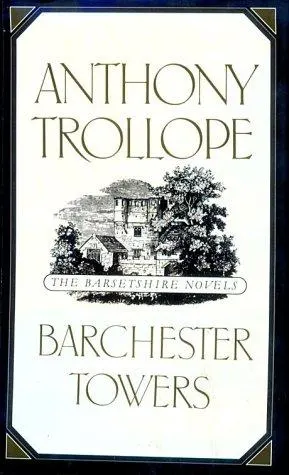
When a new bishop arrives in Barchester, the cathedral close becomes a battlefield of persuasion, patronage, wounded pride, and impeccably phrased hostility. Trollope shares Oliphant’s gift for showing how institutions supposedly devoted to elevated principles are actually run through visits, dinners, marriages, and private influence.
Yet this is not merely clerical satire. Its enduringly vivid figures—especially the redoubtable Mrs Proudie, the insinuating Mr Slope, and the independent Eleanor Bold—are never just mouthpieces. One of Trollope’s best-loved novels, it has the same generous but unsparing amusement that makes Phoebe, Junior so rich: folly is exposed, but human beings remain larger than their follies.
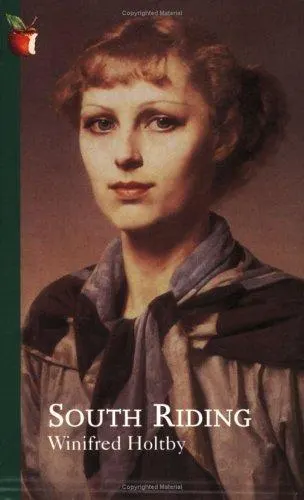
Sarah Burton returns to Yorkshire to lead a girls’ school, bringing fierce confidence in education and public service into a community governed by local councils, private griefs, financial pressures, and old resentments. Holtby makes provincial life feel like a living organism: a decision in a committee room alters what can happen in a classroom or a poor family’s kitchen.
Readers who admire Phoebe’s competence and Oliphant’s understanding of social systems will recognize the kinship, though Holtby’s canvas is broader and more impassioned. Published in 1936 and repeatedly adapted for television, South Riding has retained devoted readers because it makes municipal politics dramatic and idealism complicated. Its women do not merely observe their world; they attempt to change its machinery.