Author
Books like Margaret Oliphant
4 books we recommend to Margaret Oliphant readers, drawn from Miss Marjoribanks and Phoebe, Junior — each with the reason why.
If you loved Miss Marjoribanks
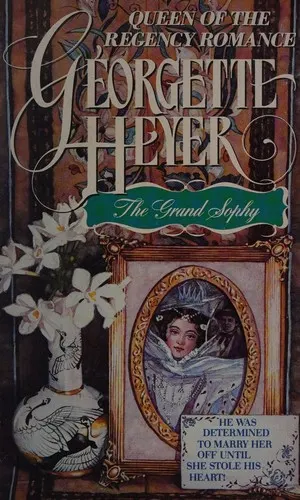
Sophy Stanton-Lacy enters a disorderly household and immediately recognizes that everyone’s supposedly private difficulties are really failures of management. She applies nerve, charm, theatrical timing, and an Olympian disregard for timid convention.
One of Heyer’s most beloved comedies, the novel has the same intoxicating faith in an energetic woman’s ability to rearrange her social world. Sophy’s methods are wilder than Lucilla’s, but the underlying pleasure is identical: watching a heroine understand the rules so thoroughly that she can bend them while everyone else is still insisting they are fixed.
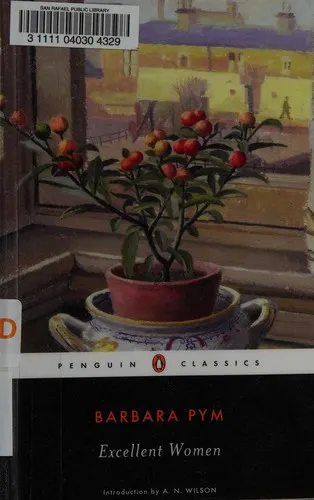
Mildred Lathbury appears to be merely useful: the unmarried woman who makes tea, helps at church, and receives other people’s confidences. Pym gradually reveals how much of communal life depends upon such supposedly peripheral women—and how sharply Mildred observes those who take her for granted.
The comedy is quieter than Oliphant’s but just as exact about status, self-deception, clerical society, and the meanings hidden inside ordinary courtesies. It is easy to see why Philip Larkin became one of Pym’s great champions. Readers return to this novel because every modest sentence contains a flicker of rebellion; missing it would mean missing one of English fiction’s funniest anatomies of underestimated female intelligence.
If you loved Phoebe, Junior
When a new bishop arrives in Barchester, the cathedral close becomes a battlefield of persuasion, patronage, wounded pride, and impeccably phrased hostility. Trollope shares Oliphant’s gift for showing how institutions supposedly devoted to elevated principles are actually run through visits, dinners, marriages, and private influence.
Yet this is not merely clerical satire. Its enduringly vivid figures—especially the redoubtable Mrs Proudie, the insinuating Mr Slope, and the independent Eleanor Bold—are never just mouthpieces. One of Trollope’s best-loved novels, it has the same generous but unsparing amusement that makes Phoebe, Junior so rich: folly is exposed, but human beings remain larger than their follies.
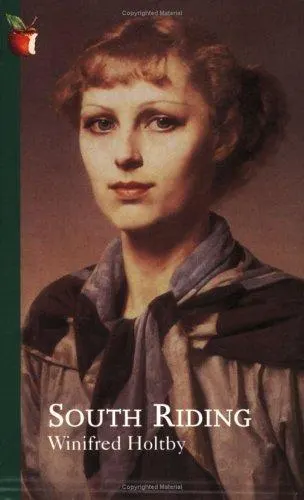
Sarah Burton returns to Yorkshire to lead a girls’ school, bringing fierce confidence in education and public service into a community governed by local councils, private griefs, financial pressures, and old resentments. Holtby makes provincial life feel like a living organism: a decision in a committee room alters what can happen in a classroom or a poor family’s kitchen.
Readers who admire Phoebe’s competence and Oliphant’s understanding of social systems will recognize the kinship, though Holtby’s canvas is broader and more impassioned. Published in 1936 and repeatedly adapted for television, South Riding has retained devoted readers because it makes municipal politics dramatic and idealism complicated. Its women do not merely observe their world; they attempt to change its machinery.