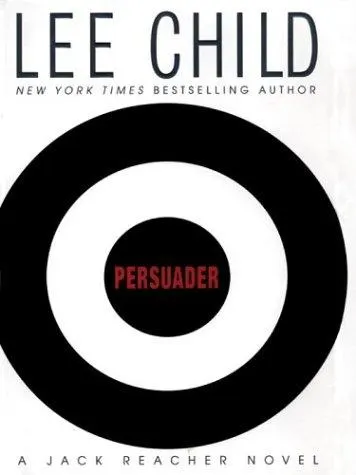
Books like Persuader
Geoffrey Household’s 1939 classic Rogue Male may seem far removed from Reacher’s modern America, but it helped create the solitary, formidably capable fugitive whom later thrillers—including Child’s—would perfect. These three novels share Persuader’s real pleasures: ruthless momentum, exacting competence, buried history and violence charged with personal purpose.
If you liked Persuader, you’ll love these
Not lookalikes — kindred books. Each one shares something essential with Persuader, and we tell you exactly what.
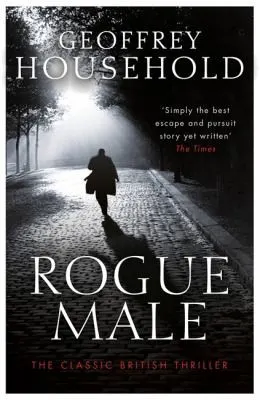
An unnamed English hunter is captured after stalking a European dictator, escapes and must evade professionals who know exactly how dangerous he is. Household turns the pursuit into a duel of fieldcraft: every route, hiding place and improvised defense matters.
Like Persuader, it strips its hero down to intelligence, endurance and an old grievance that refuses to stay buried. Its influence on the modern manhunt thriller is immense, yet it remains startlingly tense rather than merely historically important. Reacher devotees will recognize an ancestor—and wonder why they waited so long to meet him.
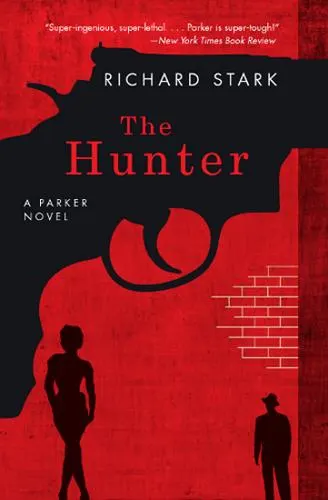
Parker has been betrayed, left for dead and cheated of his money. He returns to New York to correct the account. That simple premise becomes a master class in unstoppable forward motion.
Donald E. Westlake, writing as Richard Stark, uses prose as hard and economical as a weapon: no ornamental psychology, no wasted encounters, only problems assessed and obstacles removed. Parker is colder and more criminal than Reacher, but he offers the same addictive spectacle of a superbly competent man forcing an entire organization to confront him. The novel launched a fiercely admired twenty-four-book series and inspired films including Point Blank and Payback; the original is leaner and more pitiless than either.
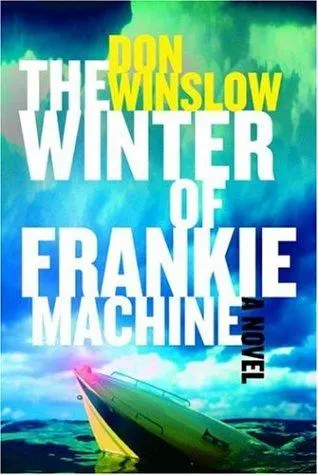
Frank Machianno appears to be a busy, likable San Diego businessman. He was once Frankie Machine, a mob killer prized for never missing. When an apparent meeting becomes an ambush, Frank must determine who wants him dead—and which piece of his long history has returned for payment.
This catches the particular rhythm that makes Persuader so satisfying: present danger repeatedly gaining force from the past, until memory itself feels like part of the trap. Winslow also supplies meticulous tradecraft, sudden violence and a protagonist whose lethal efficiency coexists with loyalty and regret. It is one of his most warmly human crime novels without sacrificing an ounce of velocity.