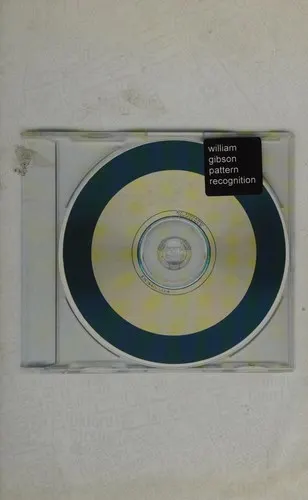
Books like Pattern Recognition
Cayce wakes in a borrowed London flat, waiting for the soul her transatlantic flight left behind. These novels share her world of unstable signs, seductive artifacts, corporate power, and pattern-seeking that may be insight—or compulsion.
If you liked Pattern Recognition, you’ll love these
Not lookalikes — kindred books. Each one shares something essential with Pattern Recognition, and we tell you exactly what.
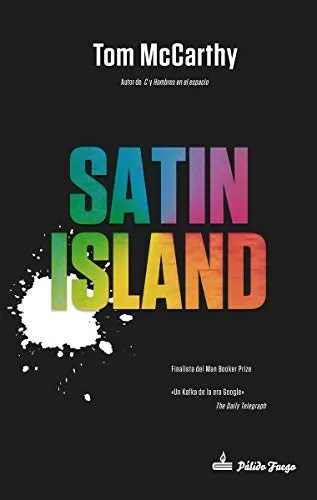
U is a corporate anthropologist charged with interpreting contemporary life for an immense consultancy: brands, traffic, disasters, management jargon, stray images. Like Cayce, he is professionally attuned to meanings most people absorb unconsciously—and increasingly unable to distinguish revelation from noise.
McCarthy turns that predicament into a sleek, funny, disquieting novel about the desire for one pattern that will explain everything. Shortlisted for the Booker Prize, Satin Island is the closest match here to Gibson’s cerebral cool: a book in which information itself generates suspense.
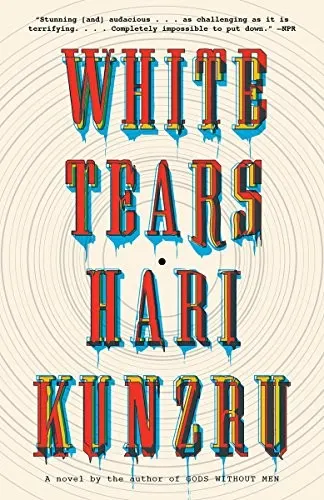
Seth is an obsessive collector of ambient sound; his friend Carter is an obsessive collector of old blues records. When their recordings yield an anomalous fragment, Kunzru creates the sonic equivalent of Pattern Recognition’s mysterious footage: an artifact whose beauty makes provenance feel urgently important.
But White Tears pushes the hunt for authenticity into darker territory, exposing the appropriation and buried violence behind immaculate taste. Kunzru’s precise, hallucinatory prose makes connoisseurship feel both intoxicating and dangerous. A New York Times Notable Book, it is a ferocious answer to the question Gibson poses more quietly: who owns the signals that culture turns into desire?
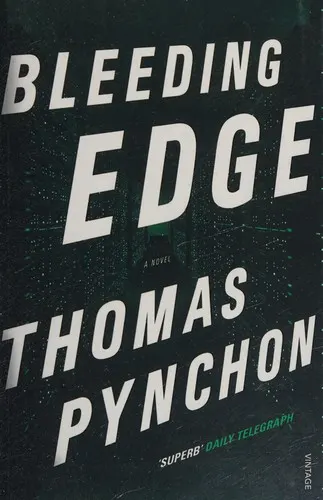
In spring 2001, New York fraud investigator Maxine Tarnow begins looking into the finances of a dubious dot-com company. She follows money, gossip, code, and intuition through a city where the internet still seems capable of becoming anything. The date lends every comic detour an approaching pressure.
Where Gibson is streamlined, Pynchon is exuberantly crowded, yet both understand paranoia as a form of close reading—and both find genuine grief beneath technological novelty and consumer absurdity. Maxine also has Cayce’s indispensable quality: she can navigate systems without surrendering her human loyalties to them. This National Book Award finalist is one of Pynchon’s warmest novels, and an essential companion to Gibson’s vision of the early digital century.