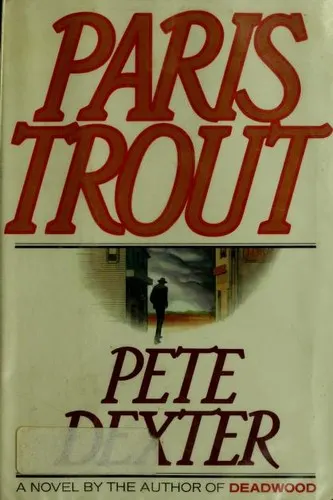
Books like Paris Trout
Reading Paris Trout feels like being trapped in a courthouse with the heat rising: every clean sentence tightens the pressure, private viciousness becomes public business, and an entire town reveals what it will tolerate to preserve its hierarchy. These three novels share that pitiless moral clarity and gathering sense of consequence.
If you liked Paris Trout, you’ll love these
Not lookalikes — kindred books. Each one shares something essential with Paris Trout, and we tell you exactly what.
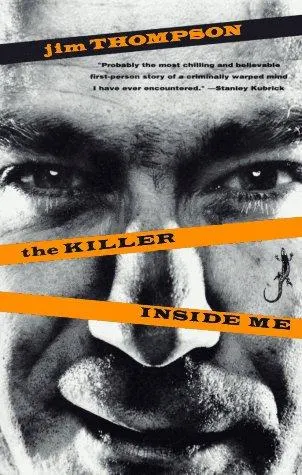
Lou Ford is a mild-mannered small-town deputy whose genial voice barely conceals something profoundly wrong. Thompson makes the reader inhabit his evasions, appetites, and chilling self-justifications, achieving the same queasy intimacy Dexter creates around Paris Trout.
A landmark of American noir, the novel is lean, fast, and psychologically merciless. Its real horror lies not simply in one damaged man but in how easily charm, office, and local respectability can shelter him. If Dexter’s plainspoken exposure of power thrilled and sickened you, Thompson’s most notorious novel is indispensable.
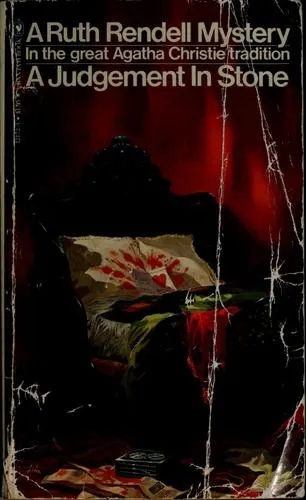
Rendell begins by telling you that four people have been murdered and who killed them; suspense comes from watching the social machinery move toward that fact. In an English household rather than a Georgia town, she dissects humiliation, secrecy, class resentment, and the fatal blindness of people who assume their status makes them safe.
Often regarded as one of Rendell’s masterpieces, it has the inevitability of tragedy and the precision of a forensic report. Like Paris Trout, it refuses comforting explanations: every small misunderstanding exposes a larger system of contempt. Few novels make doom feel so calmly, horribly earned.
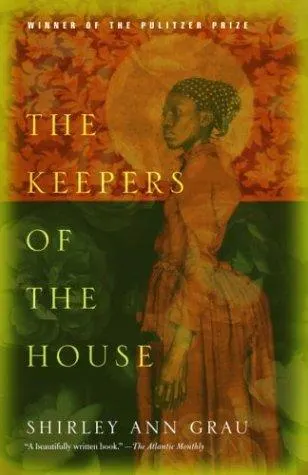
On an old Alabama property, family memory and public respectability sit atop a racial history the surrounding community would rather control than confront. Grau’s great subject is inherited power: how a household absorbs the past, how a town polices its myths, and how quickly respectable citizens become a mob when those myths are threatened.
Winner of the Pulitzer Prize, this is a fiercer, stranger novel than its quiet opening suggests. Grau’s multigenerational scale complements Dexter’s concentrated brutality, revealing the long history behind the kind of entitlement Paris Trout treats as natural. Its final movement delivers one of Southern fiction’s most satisfying reckonings.