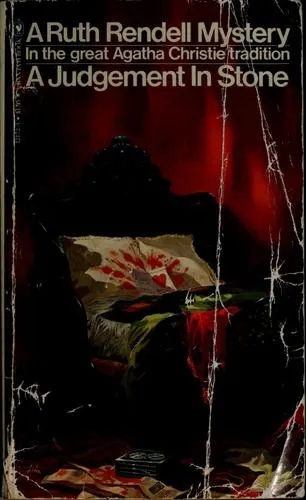
Books like A Judgement in Stone
Readers who prize A Judgement in Stone tend to relish crime novels in which suspense comes not from discovering who did it, but from watching shame, class resentment and self-deception tighten into catastrophe.
If you liked A Judgement in Stone, you’ll love these
Not lookalikes — kindred books. Each one shares something essential with A Judgement in Stone, and we tell you exactly what.
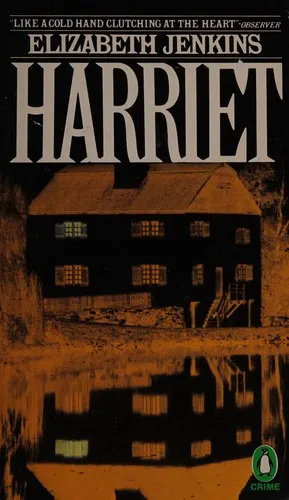
Like Rendell, Jenkins tells you where the story is heading and makes foreknowledge unbearable. Harriet is a wealthy, socially vulnerable young woman whose fortune attracts the attention of people adept at disguising appetite as respectability. The horror lies in the gradual normalization of cruelty: each compromise makes the next one easier.
Based on a notorious Victorian murder, this is not a conventional historical crime novel but a small, pitiless masterpiece of moral psychology. Jenkins’s cool prose refuses melodrama, which makes the household’s calculations feel frighteningly ordinary. Admirers of Rendell’s merciless understanding of class and human weakness should consider Harriet indispensable.
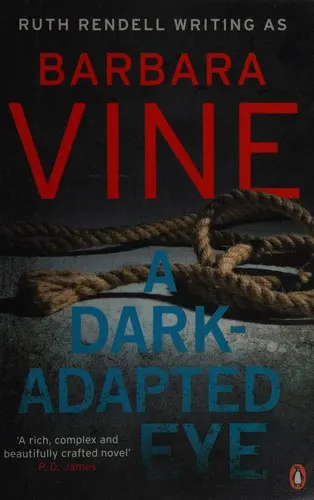
Barbara Vine was Ruth Rendell’s name for her most intricate psychological novels, and A Dark-Adapted Eye—winner of the CWA Gold Dagger—is the essential doorway into that body of work. Its narrator revisits the history of two formidable sisters, knowing that one was eventually executed for murder; the mystery is how an apparently respectable family generated such violence.
The novel offers the same pleasure as A Judgement in Stone: every minor humiliation, evasion and social distinction acquires fatal weight. Yet it is denser and more intimate, unfolding through unreliable family memories and secrets protected long after they have become poisonous. Missing it would mean missing one of Rendell’s greatest achievements.
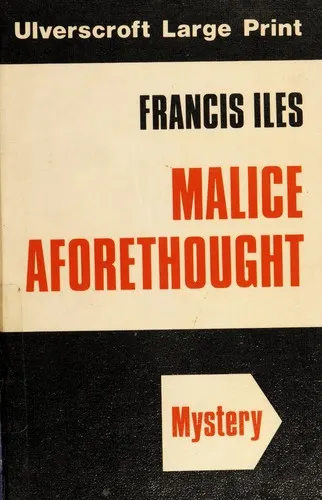
The celebrated opening identifies the murderer immediately, freeing Iles to concentrate on the more disturbing question: what sort of ordinary person can calmly make murder seem reasonable? Dr Bickleigh, outwardly mild and privately aggrieved, moves through village respectability while the reader watches vanity and resentment harden into intent.
Published in 1931, Malice Aforethought helped establish the inverted crime novel that Rendell later perfected. Its wit is acid, its psychological scrutiny unsparing, and its suspense survives the absence of a whodunit because every social encounter threatens to expose—or encourage—the killer. Anyone captivated by Rendell’s fusion of inevitability and irony should read this brilliant ancestor.