Books like My Phantoms
In each of these novels, an ordinary conversation becomes a brightly lit interrogation room: affection, vanity and self-deception have nowhere to hide.
If you liked My Phantoms, you’ll love these
Not lookalikes — kindred books. Each one shares something essential with My Phantoms, and we tell you exactly what.
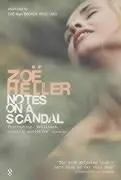
Riley’s great weapon is dramatic irony: Bridget records what people say so precisely that their evasions condemn them. Heller builds an entire novel from the same dangerous gap between a narrator’s interpretation and what the reader can plainly see.
Barbara Covett, a lonely schoolteacher, attaches herself to a colleague embroiled in scandal. Her account is tart, observant and horribly funny—but every cutting judgment also reveals her hunger for importance. Booker-shortlisted and enduringly admired for its venomous control, this is one of the rare novels whose malice becomes a form of psychological exactness. If you loved the wince-inducing comedy of My Phantoms, Barbara’s voice is irresistible.
A quarrel over two family cabins draws Bergljot back into contact with relatives from whom she has largely separated herself. What matters is not the property but the family’s ferocious struggle to decide which version of its past may be spoken aloud.
Hjorth understands, as Riley does, that families enforce reality through phrases, courtesies and apparently reasonable requests. Her repetitions accumulate pressure; every phone call becomes a contest between truth and the desire to keep things pleasant. The novel provoked a national debate in Norway and became Hjorth’s international breakthrough because it refuses comforting ideas about reconciliation. Its anger is lucid, morally complicated and impossible to dismiss.
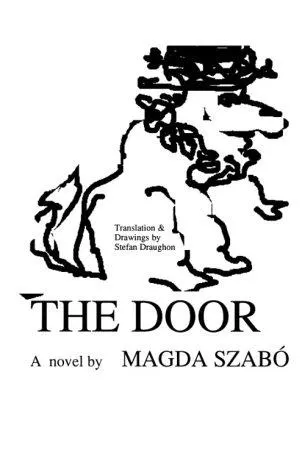
Here the central bond is not between relatives but between a writer and Emerence, the formidable housekeeper she employs. Their intimacy develops through work, rebuffs, acts of care and battles over who is permitted to need whom. Szabó gives both women such pride that tenderness itself can feel like an insult.
A lover of My Phantoms will recognize the unsentimental scrutiny and the narrator’s willingness—eventually—to place her own conduct under the knife. Yet The Door expands that discomfort into something almost mythic without losing the abrasive detail of daily life. Long regarded as one of Szabó’s masterpieces, it inspires unusual devotion because its final moral force seems to grow directly from swept floors, withheld confidences and two women’s incompatible forms of love.