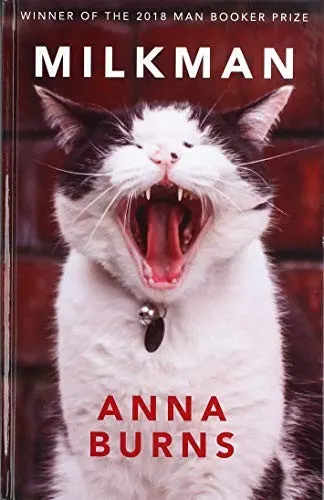
Books like Milkman
A young woman reads while walking, even as an older man’s car glides ominously beside her. If you loved how Milkman turns such a moment into a whole society’s comedy, menace, and linguistic pressure, try these three novels.
If you liked Milkman, you’ll love these
Not lookalikes — kindred books. Each one shares something essential with Milkman, and we tell you exactly what.
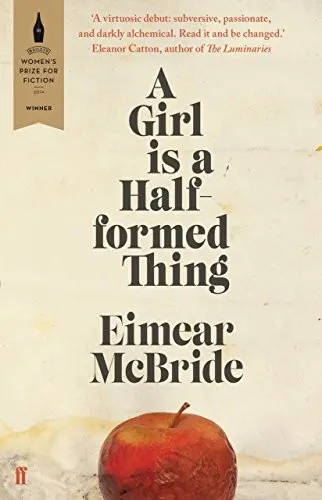
McBride’s sentences seem to form at the speed of pain: grammar splinters, words collide, and thought reaches the page before it can protect itself. Like Burns, she makes style inseparable from a young woman’s struggle to possess her own experience amid family shame, religious judgment, and sexual coercion.
Winner of the inaugural Goldsmiths Prize and the Baileys Women’s Prize, it helped establish a new confidence in formally radical Irish fiction. Its difficulty is not ornamental; once its rhythm takes hold, conventional prose can feel evasive by comparison.
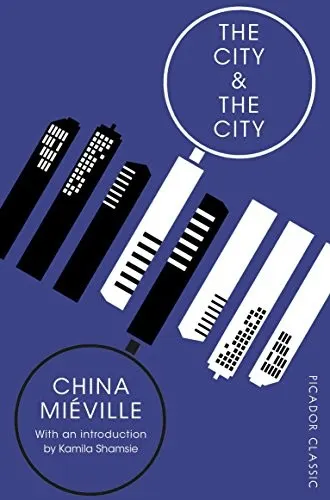
Miéville’s murder mystery is built around a brilliantly unsettling civic habit: citizens must train themselves not to perceive what is directly before them. That conceit makes literal one of Milkman’s great subjects—the way a community polices attention, interpretation, and even the evidence of one’s senses.
Inspector Tyador Borlú’s investigation is gripping, but the deeper suspense lies in watching people negotiate rules they have internalized so thoroughly that disobedience becomes almost unimaginable. Winner of the Arthur C. Clarke Award and several other major genre prizes, this is Miéville at his most controlled: strange, politically acute, and impossible to stop thinking about.
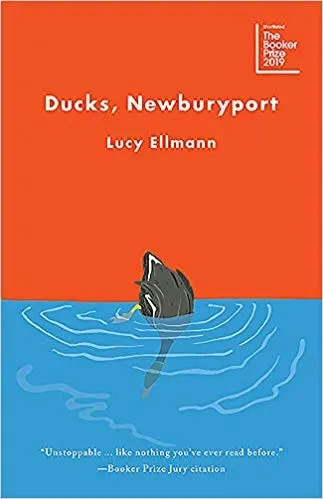
This thousand-page, nearly unbroken sentence places you inside the mind of an Ohio mother baking pies while news, memories, jokes, anxieties, advertising, violence, and domestic minutiae surge together. Where Milkman uses repetition and digression to reveal the machinery of communal fear, Ellmann captures the exhausting pressure of an entire culture speaking through one consciousness.
It is also fiercely funny: verbal tics become incantations, trivial observations open into terror, and apparent rambling develops extraordinary cumulative force. A Booker finalist and Goldsmiths Prize winner, Ducks, Newburyport inspires unusual devotion because reading it feels less like following a narrative than acquiring another person’s nervous system.