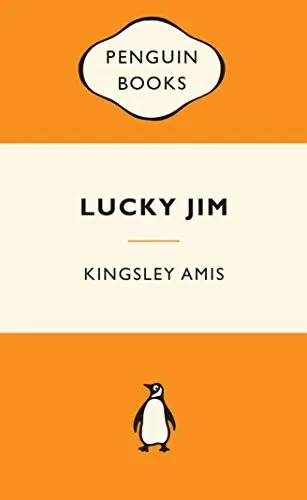
Books like Lucky Jim
How can one man’s bad temper, cowardice and talent for making faces feel like a heroic stand against a whole civilization of frauds? These three novels find distinct answers.
If you liked Lucky Jim, you’ll love these
Not lookalikes — kindred books. Each one shares something essential with Lucky Jim, and we tell you exactly what.
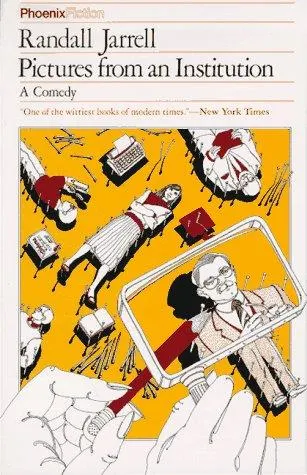
Jarrell’s only novel is one of the few academic comedies whose sentences can compete with Amis’s as instruments of precision demolition. At a progressive college, artists, teachers and administrators turn taste, sincerity and intellectual distinction into forms of vanity. Jarrell does not merely expose pretension; he describes it so exactly that every character assassination feels definitive.
Where Lucky Jim gives you Dixon’s mutinous inward commentary, Jarrell lets an urbane narrator roam through an entire institution, finding the concealed absurdity in everyone. Long cherished by connoisseurs of comic fiction, this is the campus novel to read when you want not another similar plot, but another truly first-rate intelligence refusing to be impressed.
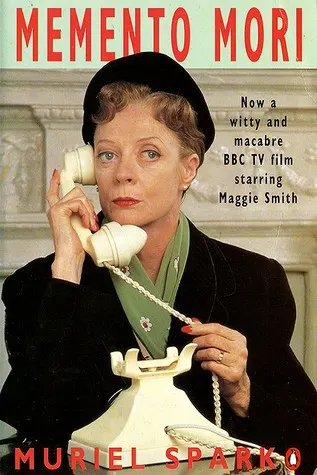
An elderly group of friends begin receiving anonymous telephone calls with the same message: “Remember you must die.” That ominous opening becomes the basis of a dazzlingly dry social comedy about status, resentment, lust and the elaborate lies people tell themselves.
Spark shares Amis’s impatience with self-dramatization, but her method is cooler and even more compressed: one immaculate sentence can puncture a lifetime’s dignity. Widely regarded as one of her finest novels, Memento Mori offers the delicious humiliations and ruthless moral clarity of Lucky Jim without imitating its voice. Its comedy is so poised that you may not notice how savage it is until you are already laughing.
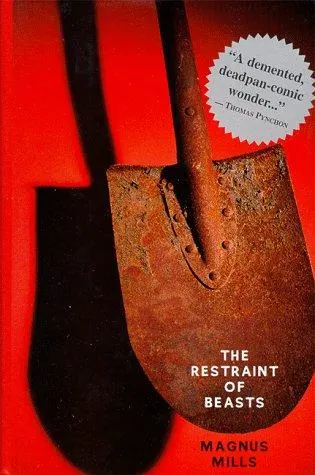
A supervisor is sent to inspect fencing erected by two cheerfully unreliable Scottish labourers, Tam and Richie. The work is bad, the beer is plentiful and every attempt to restore order seems to disclose a deeper layer of incompetence. Mills tells it all in prose of extraordinary deadpan calm.
This Booker-shortlisted debut captures the part of Lucky Jim that understands employment as a conspiracy requiring endless evasions, excuses and compromised performances. Yet where Amis gives Dixon baroque private rages, Mills makes catastrophe sound like routine paperwork. The result is bleak, hypnotic and irresistibly funny—a cult novel whose apparent simplicity conceals immaculate comic control.