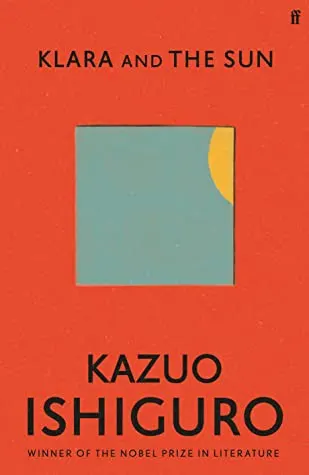
Books like Klara and the Sun
The reader drawn to Klara and the Sun values quiet voices that expose enormous moral failures—and stories in which love, observation, and self-sacrifice matter more than technological spectacle.
If you liked Klara and the Sun, you’ll love these
Not lookalikes — kindred books. Each one shares something essential with Klara and the Sun, and we tell you exactly what.

On an unnamed island, objects keep disappearing—and soon the inhabitants can no longer remember what those objects meant. Ogawa presents this nightmare in prose as calm and lucid as Klara’s narration, letting dread accumulate inside ordinary routines rather than announcing itself.
What makes this International Booker finalist such a powerful match is its faith in small acts of care. Its characters protect words, memories, and one another against a system that treats erasure as normal. Like Ishiguro, Ogawa makes omissions eloquent: what remains unspoken becomes almost unbearably moving. Few novels create such a delicate atmosphere while asking such frightening questions about what may be taken from a person before the self disappears.
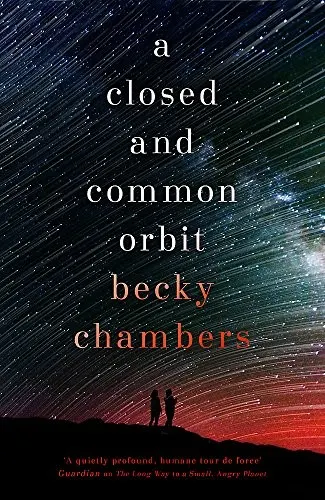
An artificial intelligence designed to inhabit a spaceship wakes in an illegal human-shaped body, where every sensation and social convention must be learned. Chambers makes that adjustment wonderfully concrete: vision has limits, gestures require interpretation, and possessing a face creates obligations no programming anticipated.
A Hugo Award finalist, the novel shares Klara’s deepest concern—not whether an artificial mind can imitate humanity, but whether usefulness is a fair measure of any conscious being. Chambers is warmer and more openly hopeful than Ishiguro, yet never sentimental about dependence, ownership, or the difficulty of choosing a life for oneself. It is technically part of the Wayfarers series but works independently, and its compassionate portrait of personhood has inspired unusually devoted readers.
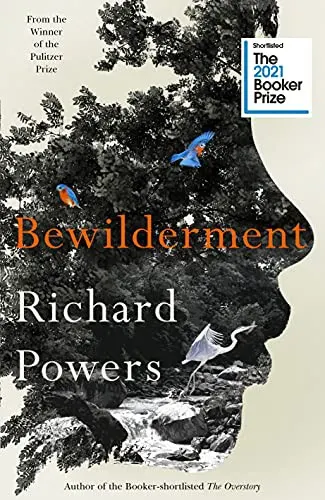
Theo, a widowed astrobiologist, is raising Robin, a fiercely sensitive nine-year-old overwhelmed by cruelty, environmental destruction, and the demands of behaving ‘normally.’ When an experimental form of neurofeedback offers help, the novel begins pressing on the same bruise as Klara and the Sun: how easily parental love can become a project of adjustment, optimization, and rescue.
Powers gives Robin’s intensity both cosmic scale and heartbreaking immediacy. The forests and imagined planets he loves are not decorative; they become ways of asking what kinds of consciousness society makes room for. Shortlisted for the Booker Prize, Bewilderment is compact, ardent, and emotionally devastating—a novel for anyone haunted by Ishiguro’s vision of children being shaped by adults who insist they only want the best for them.