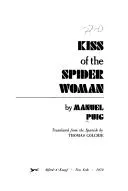
Books like Kiss of the Spider Woman
Kiss of the Spider Woman and Jean Genet’s Our Lady of the Flowers make confinement a stage on which queer imagination becomes both refuge and rebellion.
If you liked Kiss of the Spider Woman, you’ll love these
Not lookalikes — kindred books. Each one shares something essential with Kiss of the Spider Woman, and we tell you exactly what.
Written in prison, Genet’s legendary first novel transforms a cell into a feverishly theatrical world of drag queens, criminals, saints, and doomed lovers. Like Molina retelling movies, Genet’s narrator survives through extravagant invention: fantasy does not merely distract from captivity but overturns the moral order imposed by the jailer.
The kinship lies especially in the audacious mixture of camp, eroticism, abasement, and spiritual grandeur. Genet treats society’s outcasts with ceremonial splendor, making betrayal and degradation strangely beautiful without making them harmless. Few novels demonstrate so defiantly that style itself can be an act of liberation.
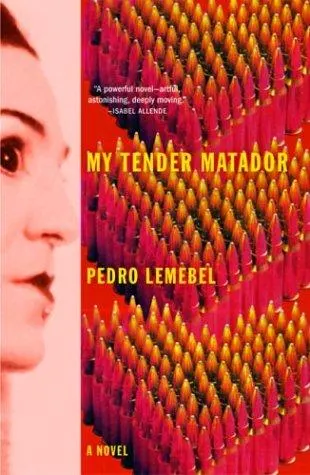
Lemebel brings together a flamboyant, bolero-loving queer protagonist and a young revolutionary plotting against Pinochet—but the novel’s real force comes from the unequal tenderness that grows between them. Political commitment, erotic longing, self-deception, and calculation become impossible to separate.
A lover of Puig will recognize Lemebel’s trust in supposedly “low” cultural forms: romantic songs, radio chatter, melodramatic gestures, gossip, and extravagant speech carry truths that solemn political rhetoric cannot. Yet this is no imitation. Lemebel, one of Chile’s great queer literary icons, writes with his own barbed humor and bruised lyricism. His only novel has become a cult classic because its heroine is funny, foolish, perceptive, and unforgettable.
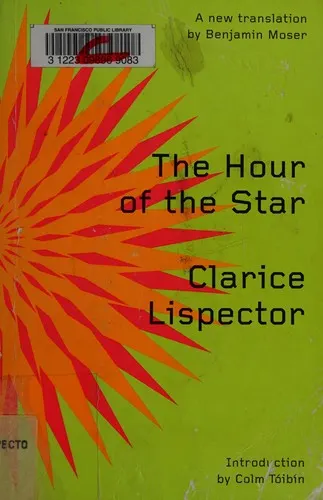
Lispector’s brief final novel begins with a male narrator trying—and repeatedly failing—to tell the story of Macabéa, an impoverished typist nourished by radio programs, advertisements, and scraps of popular fantasy. His interruptions expose every choice involved in turning another person’s suffering into a story.
That makes it a brilliant companion to Puig: both novels ask who controls a narrative, what sentimentality can reveal, and whether imagining someone else is an act of love or domination. Lispector’s strange humor keeps puncturing the book’s pathos, while its many false starts and alternate titles make narration feel like a live moral struggle. A modern Brazilian classic, it achieves in barely a hundred pages the emotional and philosophical reach of novels several times its size.