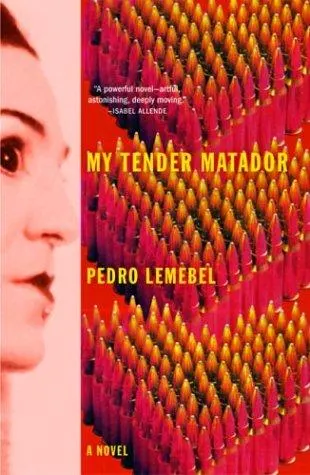
Books like My Tender Matador
More fiction where camp and longing become forms of resistance—where private tenderness unsettles public brutality, and jokes, songs, clothes, and desire speak more truth than political slogans.
If you liked My Tender Matador, you’ll love these
Not lookalikes — kindred books. Each one shares something essential with My Tender Matador, and we tell you exactly what.
In a prison cell, Molina recounts glamorous old movies to Valentín, a committed revolutionary. Their conversations turn escapist melodrama into an intimate language—and expose the limitations of a politics that understands oppression better than it understands tenderness.
Puig shares Lemebel’s genius for taking supposedly frivolous things—romance, fantasy, feminine performance—and revealing their moral seriousness. The novel’s dialogue-only intimacy makes every hesitation and act of care electric. A landmark of queer Latin American fiction, it is the clearest companion to My Tender Matador without feeling like an imitation.

The trans women who gather at night in Córdoba’s Sarmiento Park inhabit a world of danger, appetite, cruelty, magic, and fierce communal care. At its center is Auntie Encarna, a formidable maternal presence whose home offers refuge to those respectable society would rather erase.
Sosa Villada writes with Lemebel’s mixture of lyric extravagance and gutterwise comedy: degradation never cancels beauty, and suffering never makes her characters merely pitiable. Winner of the Sor Juana Inés de la Cruz Prize, Bad Girls has inspired unusual readerly devotion because it feels less like a dutiful representation of marginal lives than a profane, enchanted family legend. Its audacity and warmth are irresistible.
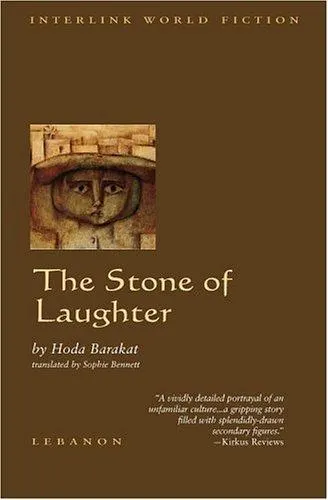
Khalil wants to preserve a private, orderly life while civil war consumes Beirut and the men around him surrender themselves to factions, weapons, and masculine certainty. His domestic rituals and emotional attachments become an uneasy refusal of the roles history has assigned him.
What connects Barakat to Lemebel is her distrust of heroic political narratives. Both novelists look from the supposedly unserious margins and see vanity, coercion, and self-deception that committed men cannot. Widely regarded as a landmark of modern Arabic fiction, The Stone of Laughter gives its gay protagonist neither sanitized nobility nor easy victimhood. It is thornier and more claustrophobic than My Tender Matador, but equally alert to the subversive power of softness in a culture enthralled by force.