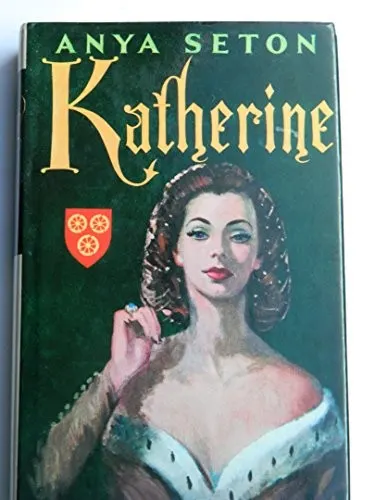
Books like Katherine
Kristin Lavransdatter makes passion bear the weight of an entire life, while Here Be Dragons sets intimate loyalties against the machinery of kingdoms. The King’s General offers something darker and more concentrated: love remembered without illusion. All three share Katherine’s rare union of historical immersion, emotional seriousness, and compulsive storytelling.
If you liked Katherine, you’ll love these
Not lookalikes — kindred books. Each one shares something essential with Katherine, and we tell you exactly what.
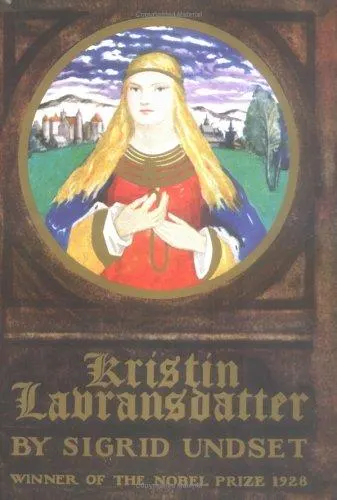
Like Katherine, Kristin is neither a modern woman in costume nor a passive emblem of her age. She is proud, impulsive, devout, sensual, and forced to live with the consequences of her choices. Her love for the dangerously attractive Erlend begins as an upheaval, but Undset is interested in what happens when romantic passion must coexist with marriage, faith, work, family, and time.
The medieval world feels inhabited down to its weather, food, obligations, and spiritual terrors, yet the novel’s deepest power comes from its psychological truth. This trilogy was central to the reputation that earned Undset the Nobel Prize, and its readers often speak of Kristin less as a character than as someone whose whole life they have known. If Katherine’s emotional magnitude stayed with you after its final page, this is the essential next book.
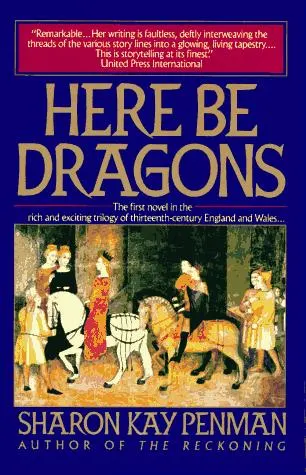
Penman possesses Seton’s gift for making dynastic history feel urgently personal. Joanna, the illegitimate daughter of King John, grows up where affection is inseparable from political usefulness; her connection to the Welsh prince Llywelyn draws her between competing countries, families, and forms of loyalty.
What makes the novel irresistible is not simply its pageantry but its refusal to simplify anyone. Love does not erase ambition, and political conflict does not turn the people involved into chess pieces. Penman’s meticulous research supports a generous, propulsive story filled with sharply realized relationships. Here Be Dragons became a foundational favorite among modern historical-fiction readers because it delivers both grand scale and intimate stakes—and it is very difficult to finish without wanting the rest of Penman’s Welsh trilogy waiting nearby.
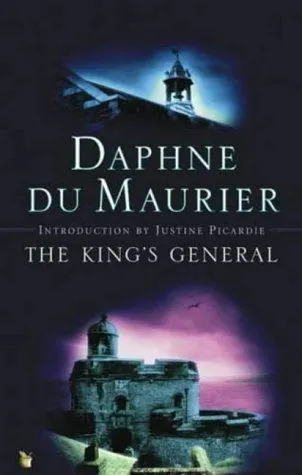
Honor Harris tells her story from the vantage point of age and disability, looking back on her youthful love for the brilliant, ruthless Richard Grenvile. From the beginning, she knows more than an innocent romantic heroine should: charm may coexist with cruelty, devotion with resentment, and a great love with an impossible shared life.
Du Maurier gives Civil War Cornwall the brooding physical presence she famously gave Manderley, but Honor’s unsentimental intelligence is the novel’s true distinction. She observes power keenly because she cannot wield it in conventional ways. The result is more compact than Katherine yet equally alive to desire, endurance, and the compromises history demands of women. Overshadowed by Rebecca but cherished by many du Maurier readers, it is one of her richest and most haunting historical novels.