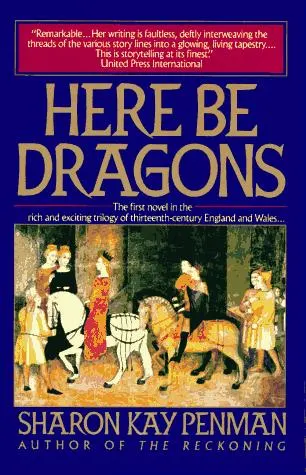
Books like Here Be Dragons
What lingers is an appetite for history in which kingdoms turn on intimate loyalties: marriages, family wounds, divided identities, and rulers who remain human even when their choices reshape nations.
If you liked Here Be Dragons, you’ll love these
Not lookalikes — kindred books. Each one shares something essential with Here Be Dragons, and we tell you exactly what.
For Penman’s political intelligence and magnificent scale, this is the strongest match. Dunnett recasts Macbeth as the eleventh-century ruler Thorfinn of Orkney, following his emergence into a brutal world of competing kingdoms, church power, kinship, and calculated marriage.
Like Llewelyn, Thorfinn must build authority rather than simply inherit it; Dunnett makes governance tangible—the alliances, resources, geography, and personal endurance behind a crown. Her prose is denser and more demanding than Penman’s, but the reward is extraordinary: a fiercely intelligent, psychologically exact epic with a devoted readership. Few historical novels make power feel at once so vast and so painfully private.
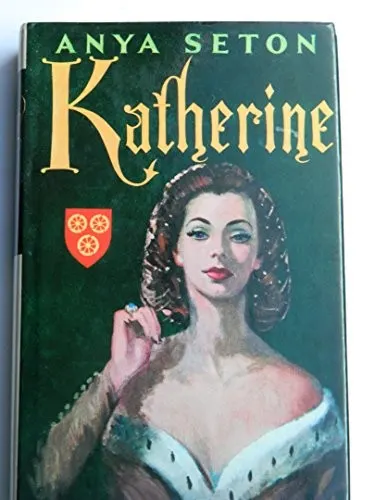
If Joanna’s marriage—and the tension between love, duty, faith, and dynasty—was the heart of Here Be Dragons for you, read Katherine. Seton’s enduringly beloved novel follows Katherine Swynford from her youth at court into the orbit of John of Gaunt, one of medieval England’s most powerful men.
Its greatness lies not merely in the romance but in its sense of time passing: desire changes, conscience deepens, children and political consequences accumulate. Seton gives Katherine an inward life rich enough to stand beside the public history surrounding her. Decades after publication, it remains a touchstone of historical fiction because it delivers both emotional sweep and the haunting conviction that private love can alter a royal lineage.
Harry Talvace is a gifted young mason whose art draws him into the service of an ambitious lord on the Welsh border. What begins with stone, craft, and patronage gradually becomes a searching drama about possession: of land, beauty, allegiance, and other people.
Part of the pleasure is Pargeter’s humane attention to work. A church is not picturesque scenery but an object conceived, argued over, financed, and raised by hands. More importantly, she shares Penman’s sympathy for people caught between England and Wales, without reducing either side to heroes or villains. Pargeter—better known to many as Ellis Peters—created a novel of moral gravity and aching emotional force; Penman herself admired it. Missing it would mean missing one of the quiet foundations beneath the finest modern medieval fiction.