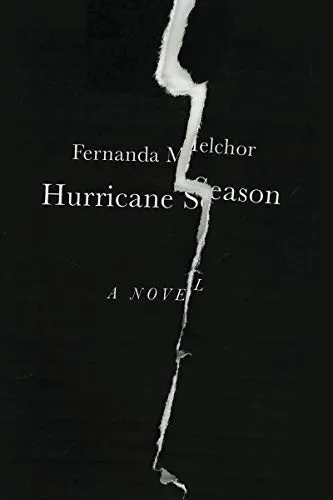
Books like Hurricane Season
Hurricane Season and Toni Morrison’s Paradise are companion works of communal fury: novels in which violence is less a single crime than the poisonous expression of an entire social order.
If you liked Hurricane Season, you’ll love these
Not lookalikes — kindred books. Each one shares something essential with Hurricane Season, and we tell you exactly what.
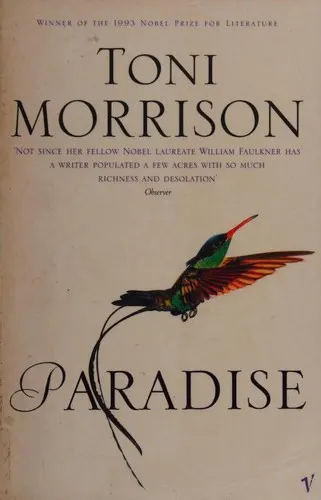
Paradise opens with armed men approaching a women’s refuge, then circles that violence through competing histories, grievances, myths, and half-truths. Like Melchor, Morrison refuses a clean hierarchy of innocence and guilt: every voice reveals another layer of resentment, fear, desire, and communal self-deception.
The prose is denser and more ceremonious than Melchor’s, but it has the same accumulating force and demands the same alertness to who is speaking—and what they cannot admit. One of Morrison’s most fiercely debated novels, Paradise turns misogyny and scapegoating into a devastating study of how communities manufacture their own moral permission. Its mysteries linger because they cannot be reduced to a solution.
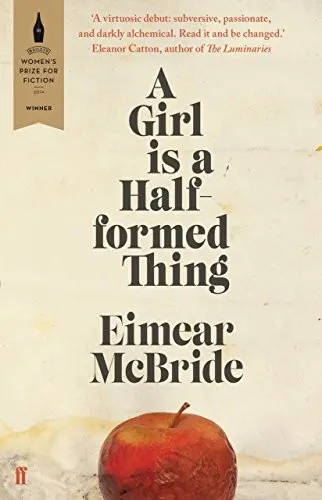
If Hurricane Season thrilled you because its sentences seem physically possessed by experience, McBride’s debut is essential. Beginning before its narrator’s birth, it renders thought in broken, breathless shards: grammar buckles under childhood fear, religious shame, sexual desire, and trauma.
This is not stylistic ornament. As in Melchor, form becomes the nervous system of the book, forcing the reader inside a consciousness rather than allowing safe observation from outside. Winner of both the inaugural Goldsmiths Prize and the Baileys Women’s Prize, it earned extraordinary devotion for proving that radically difficult prose can also be immediate, intimate, and emotionally overwhelming.
Ibargüengoitia reconstructs the rise and collapse of a provincial Mexican brothel through testimony, reports, contradictions, and grotesquely mundane details. Where Melchor uses torrential fury, Ibargüengoitia uses devastating deadpan comedy; both expose how misogynistic violence survives through gossip, bureaucracy, cowardice, and the convenient dispersal of responsibility.
The humor never neutralizes the horror. It shows people turning atrocity into anecdote and self-exoneration, making the reader complicit in the terrible ease of the telling. Ibargüengoitia is revered as one of Mexico’s sharpest satirists, and The Dead Girls is his blackest, most formally ingenious novel—a small masterpiece whose chill deepens after its jokes have landed.