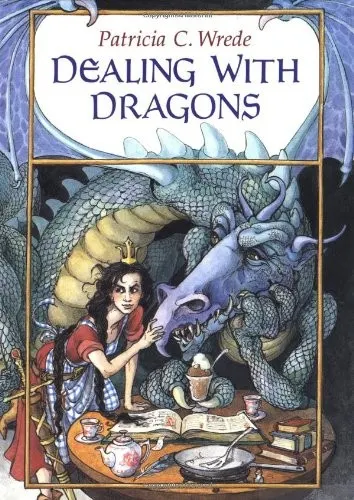
Books like Dealing with Dragons
Cheerful insubordination. These novels share Wrede’s delight in capable girls who recognize that supposedly immutable fairy-tale rules are often just bad customs waiting to be ignored. They pair that independence with affectionate humor, ingenious magic, and adventures whose charm comes as much from personality as peril.
If you liked Dealing with Dragons, you’ll love these
Not lookalikes — kindred books. Each one shares something essential with Dealing with Dragons, and we tell you exactly what.
Sophie Hatter knows that, as the eldest of three sisters, she is destined to fail if she seeks her fortune—because that is how fairy tales work. Then a curse transforms her into an old woman, and she responds with the same quality that makes Cimorene irresistible: brisk practicality. She installs herself in the moving castle of the vain, evasive wizard Howl and begins putting his chaotic household in order.
Jones treats enchantment as both marvelous and hilariously inconvenient. Spells have loopholes, magical reputations are unreliable, and domestic squabbles matter as much as grand threats. Sophie and Howl are sharper-edged than Wrede’s heroes, but their battles of will produce some of fantasy’s finest comic dialogue. A beloved modern classic, this is perhaps the essential next book for anyone who wants another heroine capable of defeating destiny through intelligence, stubbornness, and housekeeping.
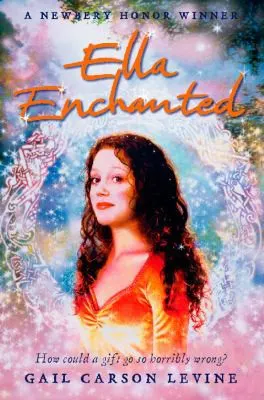
At birth, Ella is given a fairy’s disastrous “gift”: she must obey every direct command. Levine takes that premise seriously, exploring how frightening enforced obedience would be while preserving the buoyancy and romance of a story told by a spirited heroine.
Like Cimorene, Ella refuses to become the passive princess her world expects. Her rebellion requires ingenuity rather than effortless toughness: every order is a trap she must test, reinterpret, or outthink. Levine also shares Wrede’s gift for making familiar fairy-tale machinery feel newly absurd without sneering at wonder itself. This Newbery Honor novel became a touchstone for generations of readers because its wit serves a genuinely stirring idea—that freedom includes the right to author your own character.
For more of Wrede’s distinctive combination of magic, manners, and sensible heroines, follow cousins Kate and Cecelia through an alternate Regency England. While Kate encounters suspicious enchantments during the London Season, Cecelia investigates magical trouble in the countryside; they report their adventures to each other in letters that become increasingly urgent and entertaining.
The epistolary form began as a game between Wrede and Stevermer, and that improvisational pleasure remains visible on every page. The cousins trade gossip, deductions, teasing, and warnings while treating sinister sorcery as one more complication amid dreadful social calls. Long cherished as a cult favorite, the novel offers something even imitators rarely capture: friendship expressed through two unmistakable voices, with wit so effortless that the correspondence feels like a bundle of marvelous letters the reader was lucky enough to intercept.