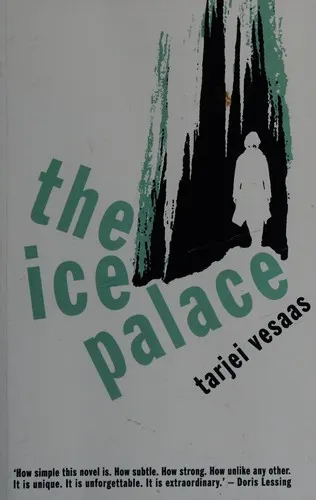
Books like The Ice Palace
The held breath. Vesaas makes silence, landscape, and a child’s private intensity carry more weight than explanation. These novels share that trust in what remains unsaid.
If you liked The Ice Palace, you’ll love these
Not lookalikes — kindred books. Each one shares something essential with The Ice Palace, and we tell you exactly what.
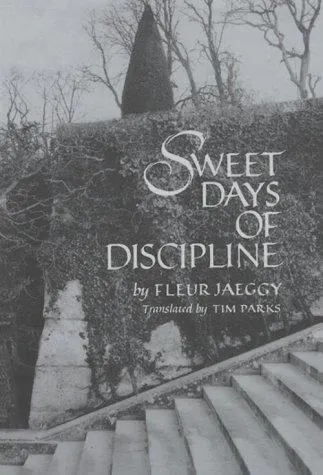
At a Swiss boarding school, the unnamed narrator becomes fascinated by the self-possessed Frédérique. Jaeggy renders their attachment without sentimental interpretation: gestures seem monumental, loyalties have the chill of vows, and desire is inseparable from secrecy and power.
This cult classic has the same crystalline compression that makes The Ice Palace feel inexhaustible. Its sentences are cool, exact, and faintly dangerous; what they omit becomes almost physically present. Readers drawn to Unn’s unknowability and to Vesaas’s refusal to explain intimacy into submission should find Jaeggy’s novel unnervingly irresistible.
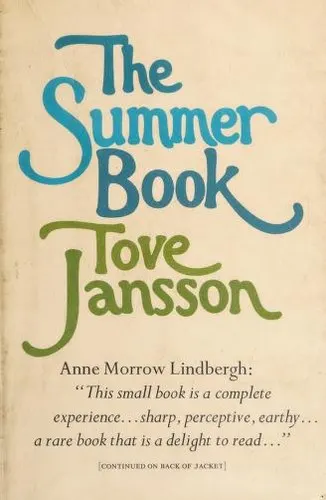
On a small Finnish island, young Sophia and her grandmother talk, quarrel, invent, and investigate the natural world. Their conversations are funny and unsparing, while grief remains beneath them like deep water: seldom named, never absent.
Jansson’s beloved classic exchanges ice for sun-warmed rock, but shares Vesaas’s extraordinary respect for childhood consciousness. Weather and terrain register minute emotional changes; adults and children meet without condescension; brief chapters open onto immense silences. Few novels make so little prose hold so much life.
Ruth and her sister Lucille grow up amid family losses in the remote town of Fingerbone, eventually under the care of their unconventional aunt Sylvie. Robinson’s landscape is not a backdrop but an active, almost metaphysical presence: water, darkness, wind, and abandoned places seem to remember what the characters cannot say.
Robinson’s debut won the PEN/Hemingway Award and established her as one of America’s major novelists, yet its deepest appeal is intimate. Like The Ice Palace, it understands grief as something that alters space, time, and belonging. Its prose is more expansive than Vesaas’s, but just as haunting—and its images stay lodged in the mind for years.