Books like Fudoki
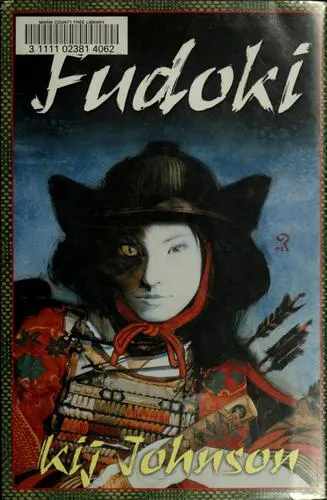
Fudoki moves with the hush of a private confession until, almost imperceptibly, claws become hands, instinct becomes destiny, and a dying woman’s imagination opens into another life. Its magic lies in that poised uncertainty: story may be escape, revelation, or the truest autobiography available.
If you liked Fudoki, you’ll love these
Not lookalikes — kindred books. Each one shares something essential with Fudoki, and we tell you exactly what.
Johnson’s companion novel is indispensable rather than merely adjacent. A fox becomes fascinated by a human courtier, and the story unfolds through competing journals written by the fox, the man, and his wife. Each narrator makes a persuasive world out of desire; placed together, their accounts expose the vanity, cruelty, and genuine yearning that any one version conceals.
What Fudoki does with Harueme’s chronicle, The Fox Woman does polyphonically: writing becomes a means of transformation, while animal and human consciousness remain beautifully, dangerously misaligned. Its Heian elegance is sharpened by emotional ferocity. Reading it reveals that Johnson’s deepest subject is not Japanese folklore but the stories people invent in order to survive wanting what they cannot have.
A novelist named Ruth finds a barnacled lunchbox containing the diary of Nao, a bullied Tokyo schoolgirl who has begun writing about her 104-year-old Buddhist great-grandmother. From that arresting opening, Ozeki constructs an intimate correspondence between women who may never meet, across an ocean and perhaps across time itself.
Like Fudoki, this Booker-shortlisted novel understands a manuscript as both artifact and lifeline. Nao writes to keep herself from vanishing; Ruth reads to restore shape to another person’s existence. Ozeki’s play with time, authorship, mortality, and Buddhist impermanence never smothers the vulnerable human voices at its center. It is funnier and more contemporary than Fudoki, but it produces the same haunting sense that reading someone’s story may alter what that life was.
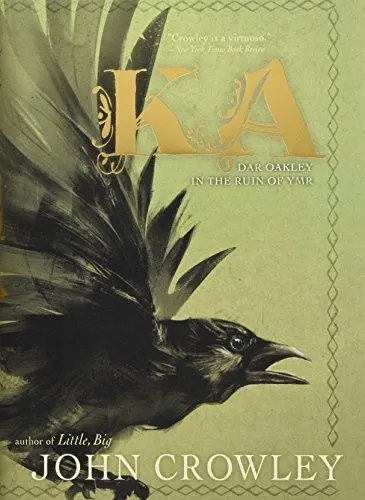
An aging man encounters a crow who can speak, and the crow begins recounting the many lives he has spent alongside humankind. Crowley does not turn Dar Oakley into a feathered person: his hungers, attention, memory, and sense of death remain persuasively other. That achievement will feel immediately precious to anyone captivated by Johnson’s passage between feline and human awareness.
Crowley, long revered by other fantasy writers for the beauty and intelligence of Little, Big, makes this animal autobiography an immense meditation on mortality and storytelling. Civilizations pass; names and beliefs mutate; the crow watches humans invent meanings for the world and is changed by those meanings in return. Ka has Fudoki’s rare combination of strangeness, tenderness, and grief—the feeling that to acquire a story is to acquire a soul, and therefore the knowledge that a soul can be lost.