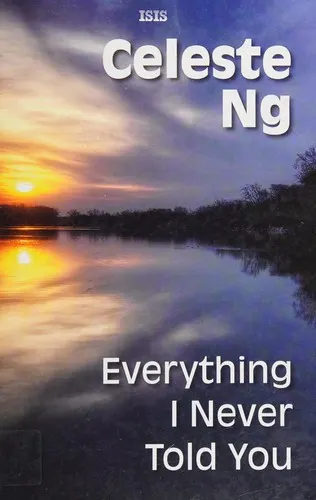
Books like Everything I Never Told You
Aftershocks. Celeste Ng’s novel is powerful because one death exposes years of thwarted hopes, racial unease, and love distorted by expectation. These three novels possess the same rare compassion for every member of a family—even when they fail one another.
If you liked Everything I Never Told You, you’ll love these
Not lookalikes — kindred books. Each one shares something essential with Everything I Never Told You, and we tell you exactly what.
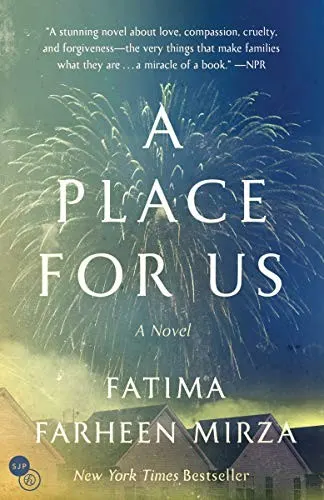
Mirza shares Ng’s extraordinary ability to move among family members and reveal that the same gesture can feel like devotion to one person and rejection to another. At an Indian Muslim wedding in California, an estranged son’s return brings old tensions into the room: religious faith, parental expectations, sibling loyalties, and the painful question of whether belonging must be earned.
Like Everything I Never Told You, this is a novel about parents who love fiercely but cannot stop shaping their children into imagined versions of themselves. Mirza’s intimate, patient storytelling keeps redistributing your sympathy until blame becomes almost impossible. A widely beloved bestseller on publication, it has the emotional force of a book readers press into friends’ hands.
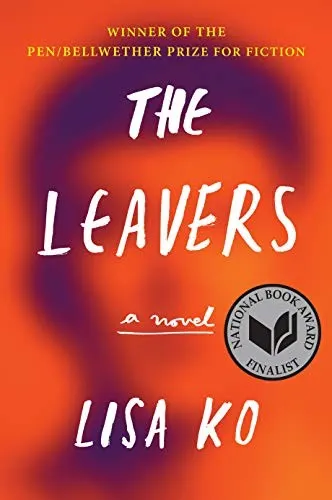
When eleven-year-old Deming Guo’s mother, Polly, disappears, he is eventually adopted by a white couple and renamed Daniel. From that opening rupture, Ko builds a searching novel about identity, assimilation, and the stories children invent when adults leave crucial truths unsaid.
Readers who responded to Ng’s treatment of Chinese American identity—and especially to the loneliness produced by being misread—will recognize the emotional terrain. But Ko’s novel has its own restless energy: it expands beyond the family home to ask who gets to decide what a “better life” looks like. A National Book Award finalist and winner of the PEN/Bellwether Prize, The Leavers is both politically incisive and devastatingly personal.
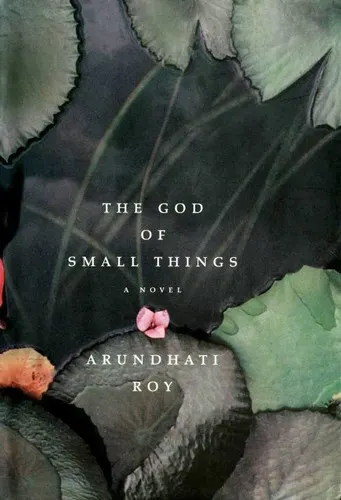
Roy’s Booker Prize–winning debut begins in the shadow of a child’s death, then moves through memory to show how a family arrived at catastrophe. Its kinship with Ng lies not merely in that structure, but in its understanding that disaster is assembled from tiny humiliations, private longings, inherited prejudices, and rules no one dares openly challenge.
Where Ng is controlled and crystalline, Roy is lush, playful, and linguistically daring, capturing how children hear adult evasions before they understand them. The novel’s fractured chronology makes grief feel permanently present, while its tenderness toward damaged, imperfect people prevents it from becoming merely tragic. It is one of those rare prizewinning novels whose formal brilliance only deepens its emotional blow.