Books like Edith's Diary
Edith’s Diary belongs beside Penelope Mortimer’s The Pumpkin Eater: both turn the supposedly comfortable home into a pressure chamber for a woman’s mind.
If you liked Edith's Diary, you’ll love these
Not lookalikes — kindred books. Each one shares something essential with Edith's Diary, and we tell you exactly what.
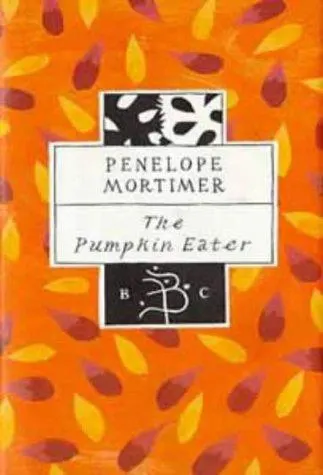
Mrs Armitage enters the novel laughing helplessly in a psychiatrist’s office, her identity nearly buried beneath marriage, motherhood and other people’s demands. Mortimer writes her distress with the same unnerving mixture Highsmith achieves in Edith’s Diary: intimate sympathy sharpened by ruthless, sometimes vicious comedy.
Revived by NYRB Classics after years of neglect, this semi-autobiographical novel is now regarded as Mortimer’s defining work. Its dialogue cuts like broken glass, and its domestic details accumulate into a devastating argument about what happens when a woman’s appointed source of happiness becomes the machinery of her erasure.
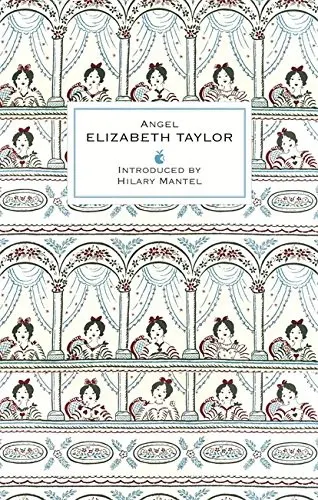
Angelica Deverell is a provincial schoolgirl who dislikes the world she has been given, so she writes a more splendid one and insists upon its truth. That impulse will feel instantly familiar to anyone fascinated by Edith’s diary—not simply as escape, but as an act of authorship, pride and resistance.
Taylor’s great feat is her double vision. Angel’s fantasies can be ludicrous, yet Taylor never reduces her to a joke; vanity, imagination, loneliness and creative power remain inseparable. Long cherished as a writer’s writer, Taylor is at her boldest here, making self-delusion look at once absurd, magnificent and frighteningly necessary.
Rachel Waring inherits a Georgian house and greets her new life with irrepressible confidence. Because she tells the story herself, every encounter arrives polished by her optimism—and the reader gradually learns to listen for what that brightness may be concealing.
Benatar creates the peculiar unease Highsmith’s readers know well: the sensation of being trapped inside a consciousness that is rearranging reality while remaining painfully human. Rachel is funny, embarrassing, eloquent and impossible to dismiss. Rescued from obscurity by NYRB Classics and embraced as a cult novel, Wish Her Safe at Home deserves that devotion; few books make unreliable happiness feel so seductive or so desolate.