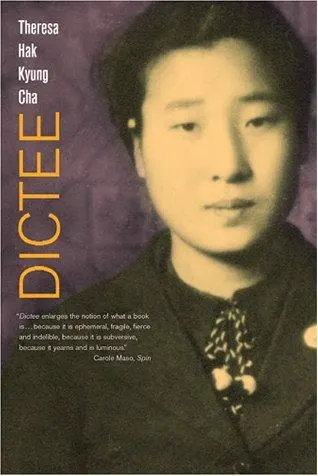
Books like Dictee
—because what remains most powerful is the way Dictee makes fracture itself speak: the gaps, repetitions, borrowed forms, images, and damaged languages become an ethics of remembering. These three novels likewise refuse to turn historical violence into a seamless story.
If you liked Dictee, you’ll love these
Not lookalikes — kindred books. Each one shares something essential with Dictee, and we tell you exactly what.
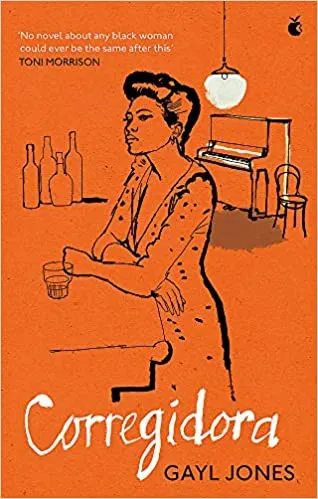
Ursa Corregidora, a blues singer, has been raised to preserve what slavery did to the women of her family: their testimony must survive when official records do not. After a catastrophe in the novel’s opening, that inherited command collides with Ursa’s own body and voice.
A lover of Dictee will recognize history not as background but as something lodged in syntax, repetition, sexuality, and breath. Jones writes dialogue like scored music; phrases recur with altered pressure, until ancestral speech sounds at once sustaining and coercive. Edited by Toni Morrison and long revered as a landmark of Black experimental fiction, Corregidora is fierce, compressed, and inexhaustible—the rare novel that changes what testimony can mean.
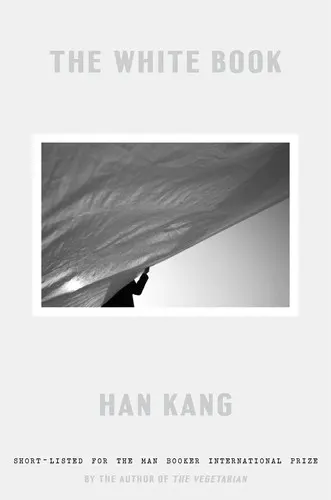
Han Kang builds this brief, luminous novel from white things: salt, snow, rice, bandages, a newborn’s clothing. Each becomes an aperture onto the author-narrator’s older sister, who died shortly after birth, and onto the impossible desire to lend one life to another.
Like Dictee, The White Book makes the page materially expressive. Its silences, small blocks of prose, photographs, and recurring objects ask the reader to dwell rather than consume. Yet its austerity never becomes bloodless: every immaculate image carries bodily vulnerability and grief. Shortlisted for the International Booker Prize years before Han received the Nobel, it is among her most formally daring books—a haunting demonstration that fragments can hold an emotional force a continuous narrative might dissipate.
An elderly woman waits for news of the son taken from her during the Second World War; around that vigil, Drndić assembles photographs, testimonies, bureaucratic documents, names, and historical digressions. The result is less a conventional historical novel than a counter-archive constructed against organized forgetting.
Readers of Dictee will feel the same distrust of smooth narration and the same conviction that typography, citation, and documentary debris can bear moral weight. Drndić does not decorate fiction with evidence: she lets evidence interrupt fiction, forcing individual grief and mass atrocity to remain uneasily visible together. Trieste established her English-language reputation as a formidable innovator of documentary fiction. Its long lists and abrupt shifts demand attention—but that demand is precisely the gift, making reading an act of witness rather than spectatorship.