Author
Books like Barbara Kingsolver
6 books we recommend to Barbara Kingsolver readers, drawn from Demon Copperhead and Prodigal Summer — each with the reason why.
If you loved Demon Copperhead

Like Demon, Shuggie is a boy whose fierce love for an addicted parent becomes both his great strength and his deepest wound. Douglas Stuart writes working-class Glasgow from the inside: its humiliations, jokes, loyalties, cruelties, and codes of survival. Poverty is never scenery here; it shapes what people can imagine, forgive, or escape.
The Booker Prize–winning novel is more concentrated and somber than Kingsolver’s, but it shares her refusal to reduce damaged people to cautionary tales. Shuggie’s mother, Agnes, is glamorous, impossible, and painfully alive, while Shuggie’s tenderness never becomes sentimentality. Readers devoted to Demon’s battered resilience will recognize the emotional danger immediately—and may find Shuggie even harder to forget.
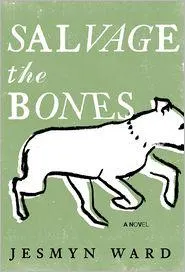
Jesmyn Ward gives us Esch, a pregnant fifteen-year-old living with her brothers and father on the Mississippi Gulf Coast as a hurricane approaches. What makes this a true companion to Demon Copperhead is not disaster or deprivation, but the authority of its young narrator: Esch sees beauty, violence, desire, and family with an intelligence the wider world would never think to credit her with.
Ward’s prose is sensuous and ferocious; dogs, heat, hunger, and myth all feel physically present. Yet the novel’s greatest force comes from the siblings’ rough, improvised devotion to one another. Winner of the National Book Award, Salvage the Bones is brief enough to read quickly and powerful enough to alter the emotional weather for days afterward.
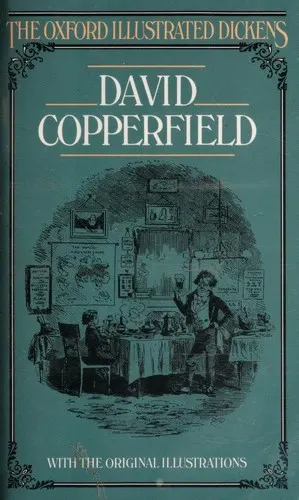
Kingsolver borrowed more than a name and narrative scaffolding from Dickens: she borrowed his faith that a charismatic first-person voice can turn one neglected childhood into an indictment of a nation. David begins telling his life with comic confidence, though adults and institutions repeatedly prove predatory, vain, or useless. Around him gathers one of fiction’s great crowds of eccentrics, monsters, fools, and unexpected protectors.
The pleasure is not dutifully tracing Demon Copperhead back to its source. It is discovering how modern Dickens still feels when he is funny, furious, and emotionally direct—and seeing just how boldly Kingsolver transformed his design. David Copperfield has inspired generations of unusually personal devotion; after Demon, it becomes not homework but a conversation you will want to overhear.
If you loved Prodigal Summer
Alma Whittaker, born into a wealthy botanical family in 1800, grows into a formidable student of mosses—and one of fiction’s great portraits of a brilliant woman whose intellectual appetite is inseparable from her physical and emotional longings.
Like Prodigal Summer, this novel treats close observation of nature as a source of drama. Tiny plants become gateways to immense questions about competition, adaptation, time, and human attachment. Gilbert writes with earthy exuberance, moving easily between scientific argument and thwarted desire; Alma is never reduced to either a mind or a body. Widely admired as the novel that revealed the full reach of Gilbert’s fiction, it is sweeping, learned, and wonderfully alive. Readers who loved Kingsolver’s union of biology and passion should not miss Alma’s magnificent life.
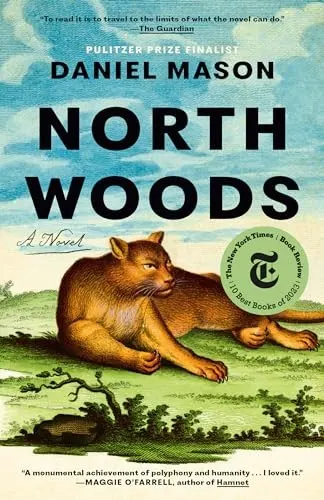
A single house in the Massachusetts woods anchors this audacious novel, while its inhabitants change across centuries and the surrounding ecosystem absorbs every arrival, appetite, secret, and loss. Human beings are not the sole protagonists here: trees spread, insects feed, spores travel, and traces of one life quietly alter another.
That design captures the deepest pleasure of Prodigal Summer—its sense that apparently separate stories are participating in patterns larger than their characters can see. Mason continually changes voice and form, yet the book never becomes a cold experiment; it is funny, erotic, macabre, and full of wonder. A Pulitzer Prize finalist, North Woods has already earned passionate admiration for making ecological interdependence into the very structure of a novel. Its final effect is uncanny: a patch of earth begins to feel more enduring and richly populated than any single human life.

Rachel Caine is an expert zoologist who has built her life around wolves and distance from other people. When an English aristocrat recruits her for an ambitious rewilding project, she returns from Idaho to a landscape crowded with political expectations, family history, and demands she cannot manage as cleanly as animal behavior.
The resemblance to Deanna Wolfe’s strand is meaningful because Hall shares Kingsolver’s harder insight: loving predators means accepting what cannot be made harmless or sentimental. Her wolves remain animals, not symbols obedient to human wishes, while Rachel’s fierce independence, sexuality, and uneasy vulnerability are rendered with equal candor. Hall is one of Britain’s most respected contemporary nature writers, and this novel shows why—its prose is muscular, alert, and charged with bodily life. Anyone captivated by Kingsolver’s vision of wildness as both an ethical challenge and an erotic force will find The Wolf Border difficult to shake.