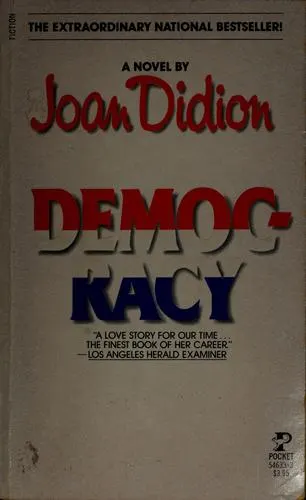
Books like Democracy
Speedboat turns experience into bright, scattered dispatches; The Transit of Venus arranges omissions and intimacies into an inexorable design. Mating, meanwhile, offers the same collision of romance, politics, and self-invention in a gloriously more expansive voice. Each catches a different essential quality of Democracy.
If you liked Democracy, you’ll love these
Not lookalikes — kindred books. Each one shares something essential with Democracy, and we tell you exactly what.
Like Democracy, Speedboat distrusts the smooth authority of conventional storytelling. Journalist Jen Fain narrates through shards—parties, classrooms, newsrooms, stray remarks, public crises—making a whole society visible through what seems fragmentary and incidental. Adler’s wit is drier and more antic than Didion’s, but both writers expose the absurdity concealed inside official language and cultivated composure.
Winner of the first Hemingway Foundation/PEN Award and later revived as an NYRB Classic, Speedboat has inspired unusually fierce devotion among writers. Its sentences feel electrically alive: sharp observations arrive without warning, then alter everything around them. Anyone captivated by Didion’s interruptions, revisions, and insistence that facts never quite explain a life should consider this indispensable.
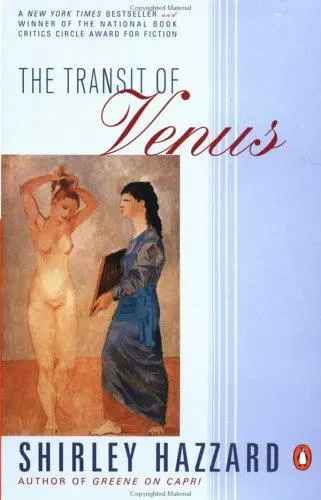
Hazzard begins with two Australian sisters entering postwar English life, then traces love, ambition, and compromise with extraordinary compression. The kinship with Democracy lies in the pressure beneath the elegance: characters move through cultivated rooms and international institutions while desire quietly reorganizes their loyalties. Hazzard, like Didion, understands that a withheld fact or a change of pronoun can carry more force than pages of explanation.
The novel won the National Book Critics Circle Award, and its reputation has only deepened. Its famous formal control never makes it chilly; on the contrary, every omission intensifies the emotional stakes. Read it slowly—the sentences are jeweled traps, and seemingly casual details return with devastating authority. Few novels make intelligence, romantic longing, and moral blindness so inseparable.
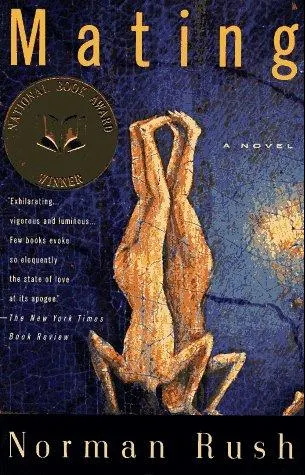
Where Didion is elliptical, Norman Rush is luxuriantly argumentative. His unnamed American narrator, an anthropologist in Botswana, becomes fascinated by Nelson Denoon, the charismatic founder of an experimental community. What follows is not merely a love story but an investigation conducted from inside desire: Can political ideals survive intimacy? Is admiration a form of understanding, or an especially sophisticated mistake?
That is the deepest connection to Democracy. Both novels place private obsession beside large claims about power, history, and responsibility, then refuse to let either realm explain away the other. Mating’s narrator is brilliant, comic, competitive, and endlessly capable of revising her own account. The novel won the National Book Award, largely on the strength of that astonishing voice. Its abundance is the perfect counterpoint to Didion’s austerity—and once you enter its intelligence, ordinary psychological fiction can seem distinctly underpowered.